Und dann auf "Zum Home-Bildschirm [+]".

Stöbern
genialokal zum Startbildschirm hinzufügen
Installieren Sie die genialokal App auf Ihrem Startbildschirm für einen schnellen Zugriff und eine komfortable Nutzung.
Installieren Sie die genialokal App auf Ihrem Startbildschirm für einen schnellen Zugriff und eine komfortable Nutzung.
Ihr gewünschter Artikel ist in 0 Buchhandlungen vorrätig - wählen Sie hier eine Buchhandlung in Ihrer Nähe aus:


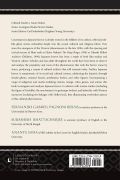
Contemporary Japanese horror is deeply rooted in the folklore of its culture, with fairy tales-like ghost stories embedded deeply into the social, cultural, and religious fabric. Ever since the emergence of the J-horror phenomenon in the late 1990s with the opening and critical success of films such as Hideo Nakata's The Ring (Ringu, 1998) or Takashi Miike's Audition (Ôdishon, 1999), Japanese horror has been a staple of both film studies and Western culture. Scholars and fans alike throughout the world have been keen to observe and analyze the popularity and roots of the phenomenon that took the horror scene by storm, producing a corpus of cultural artefacts that still resonate today. Further, Japanese horror is symptomatic of its social and cultural context, celebrating the fantastic through female ghosts, mutated lizards, posthuman bodies, and other figures. Encompassing a range of genres and media including cinema, manga, video games, and anime, this book investigates and analyzes Japanese horror in relation with trauma studies (including the figure of Godzilla), the non-human (via grotesque bodies), and hybridity with Western narratives (including the linkages with Hollywood), thus illuminating overlooked aspects of this cultural phenomenon.
Fernando Gabriel Pagnoni Berns is assistant professor at the Universidad de Buenos Aires. Subashish Bhattacharjee is assistant professor of English at the University of North Bengal. Ananya Saha is PhD scholar in the Centre for English Studies, Jawaharlal Nehru University.
Introduction: Fernando Gabriel Pagnoni Berns and Subashish Bhattacharjee Part 1: National Traumas and Repressions Chapter 1: The Ghost of Imperialism: Japan's Forgotten Horrors in the Shadow of Sadako. Calum Waddell Chapter 2: A Modern Monster: Shin-Godzilla and its Place in the Discourse Concerning 3.11 and National Resilience. Barbara Greene Chapter 3: Cultural Trauma, Cross-Flow of Aesthetics, and the Child: A Comparison between Ringu and The Ring. Bipasha Mandal Chapter 4: Space, Smoke and Mirrors: The Frightening Ambiguity of Ju-On: Origins (2020). Daniel Krátký Chapter 5: "The Dead Speak: Horror and the Modern Ghost in Eiji Otsuka's The Kurosagi Corpse Delivery Service. Megan Negrych Part 2: Posthuman Monsters and Grotesque Bodies Chapter 6: "Love in a Chair": Industrialization and Exploitation Edogawa Rampo's "The Human Chair" and Junji Ito's Manga Adaptation. Leonie Rowland Chapter 7: The Monstrous Feminine in Mari Asato's J-Horror Films. Canela Ailén Rodriguez Fontao and Mariana Zárate