
Stöbern
genialokal zum Startbildschirm hinzufügen
Installieren Sie die genialokal App auf Ihrem Startbildschirm für einen schnellen Zugriff und eine komfortable Nutzung.
Installieren Sie die genialokal App auf Ihrem Startbildschirm für einen schnellen Zugriff und eine komfortable Nutzung.
Tippen Sie einfach auf Teilen:
 Und dann auf "Zum Home-Bildschirm [+]".
Bei genialokal.de kaufen Sie online bei Ihrer lokalen, inhabergeführten Buchhandlung!
Ihr gewünschter Artikel ist in 0 Buchhandlungen vorrätig - wählen Sie hier eine Buchhandlung in Ihrer Nähe aus:

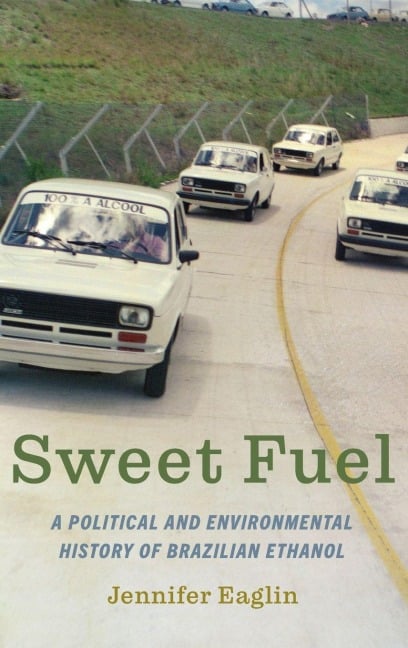
As the hazards of carbon emissions increase and governments around the world seek to reduce reliance on fossil fuels, the search for clean and affordable alternate energies has become an increasing priority in the twenty-first century. However, one nation has already been producing such a fuel for almost a century: Brazil. Its sugarcane-based ethanol is the most efficient biofuel on the global fuel market, and the South American nation is the largest biofuel exporter in the world. Sweet Fuel offers the first full historical account of the industry's origins. The Brazilian government mandated a mixture of ethanol in the national fuel supply in the 1930s, and the success of the program led the military dictatorship to expand the industry and create the national program Proálcool in 1975. Private businessmen, politicians, and national and international automobile manufacturers together leveraged national interests to support this program. By 1985, over 95% of all new cars in the country ran exclusively on ethanol, and, after consumers turned away from them when oil was cheap, the government successfully promoted flex fuel cars instead. Yet, as Jennifer Eaglin shows, the industry's growth came with associated environmental and social costs in the form of water pollution from liquid waste generated during ethanol distillation and exploitative rural labor practices that reshaped Brazil's countryside. By examining the shifting perceptions of the industry from a sugar byproduct to a national energy solution to a global clean energy option, Sweet Fuel ultimately reveals deeper truths about what a global large-scale transition away from fossil fuels might look like and challenges idealized views of green industries.
Jennifer Eaglin is an assistant professor of environmental history/sustainability at The Ohio State University. Her dissertation won the Lewis Hanke Award of the Conference on Latin American History.
- Acknowledgments
- Note on Text and Abbreviations
- Introduction
- Chapter 1: Early Sugar and Ethanol Policy, 1933-1959
- Chapter 2: Sugar, Ethanol, and Development, 1959-1975
- Chapter 3: Proálcool, 1975-1985
- Chapter 4: Lakes of Sacrifice: Ethanol and Water Pollution
- Chapter 5: Proálcool, Caneworkers, and the Guariba Strikes of 1984
- Chapter 6: Proálcool Reimagined, 1985-2003
- Epilogue
- Appendix
- Notes
- Bibliography
- Index