Und dann auf "Zum Home-Bildschirm [+]".

Stöbern
genialokal zum Startbildschirm hinzufügen
Installieren Sie die genialokal App auf Ihrem Startbildschirm für einen schnellen Zugriff und eine komfortable Nutzung.
Installieren Sie die genialokal App auf Ihrem Startbildschirm für einen schnellen Zugriff und eine komfortable Nutzung.

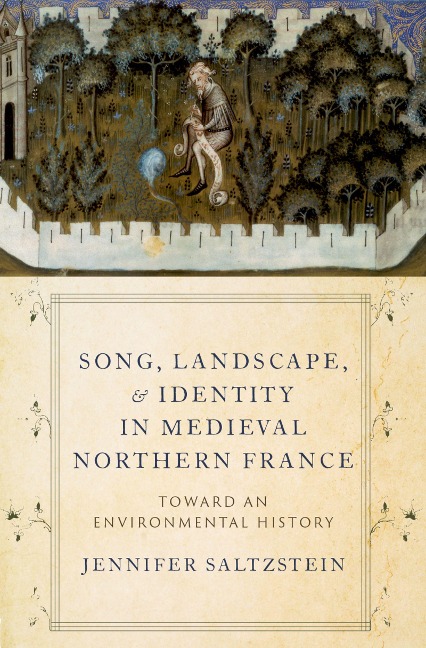
Song, Landscape, and Identity in Medieval Northern France offers a new perspective on how medieval song expressed relationships between people and their environments. Informed by environmental history and harnessing musicological and ecocritical approaches, author Jennifer Saltzstein draws connections between the nature imagery that pervades songs written by the trouvères of northern France to the physical terrain and climate of the lands on which their authors lived. In doing so, she analyzes the different ways in which composers' lived environments related to their songs and categorizes their use of nature imagery as realistic, aspirational, or nostalgic. Demonstrating a cycle of mutual impact between nature and culture, Saltzstein argues that trouvère songs influenced the ways particular groups of medieval people defined their identities, encouraging them to view themselves as belonging to specific landscapes. The book offers close readings of love songs, pastourelles, motets, and rondets from the likes of Gace Brulé, Adam de la Halle, Guillaume de Machaut, and many others. Saltzstein shows how their music-text relationships illuminate the ways in which song helped to foster identities tied to specific landscapes among the knightly classes, the clergy, aristocratic women, and peasants. By connecting social types to topographies, trouvère songs and the manuscripts in which they were preserved presented models of identity for later generations of songwriters, performers, listeners, patrons, and readers to emulate, thereby projecting into the future specific ways of being on the land. Written in the long thirteenth century during the last major era of climate change, trouvère songs, as Saltzstein demonstrates, shape our understanding of how identity formation has rested on relationships between nature, culture, and change.
Jennifer Saltzstein is the Presidential Professor and Associate Professor of Musicology at the University of Oklahoma. She is author of The Refrain and the Rise of the Vernacular in Medieval French Music and Poetry and editor of Musical Culture in the World of Adam de la Halle and received the H. Colin Slim Award from the American Musicological Society for her 2017 article, "Rape and Repentance in Two Medieval Motets." Saltzstein has received grants and awards from the Huntington Library Foundation, the International Machaut Society, the American Musicological Society, and the National Endowment for the Humanities, which awarded her both a summer stipend (2014) and a year-long fellowship (2016-2017).
List of Tables List of Figures List of Examples Introduction PART I: LANDS AND IDENTITIES 1. The Lay of the Land 2. Trouvère Identities: Rank, Status, and Geography PART II: SONG AND SPRING IN TOWN AND COUNTRY 3. In the Meadows: Feeling the Landscape through the Songs of the Knightly Trouvères 4. In the City: Landscape, Season, and Plant-Life in the Works of Cleric-Trouvères PART III: IN THE PASTURE AND THE GARDEN 5. Rural Landscapes and the Pastourelle: Boundaries, Spatial and Social 6. The Song-Space of the Garden: Performance and Privacy in the Medieval Rondet Conclusions: Nature, Culture, and Change in the Middle Ages and Beyond Acknowledgements Appendix: "Au renouveau" by Gace Brulé Manuscript and Print Sources Bibliography Song Index General Index