Und dann auf "Zum Home-Bildschirm [+]".

Stöbern
genialokal zum Startbildschirm hinzufügen
Installieren Sie die genialokal App auf Ihrem Startbildschirm für einen schnellen Zugriff und eine komfortable Nutzung.
Installieren Sie die genialokal App auf Ihrem Startbildschirm für einen schnellen Zugriff und eine komfortable Nutzung.
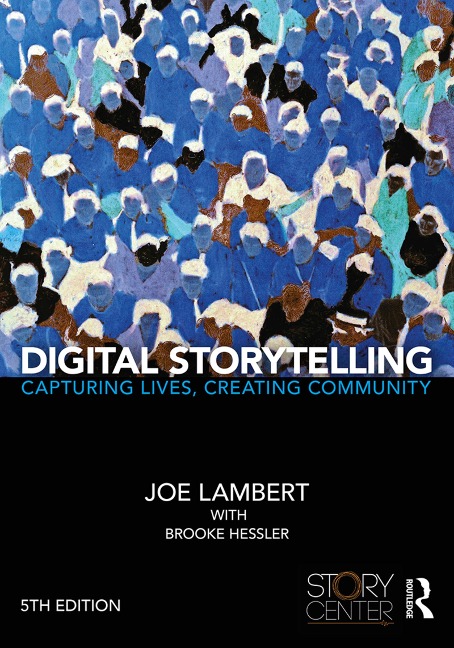
In this revised and updated edition of the StoryCenter's popular guide to digital storytelling, StoryCenter founder Joe Lambert offers budding storytellers the skills and tools they need to craft compelling digital stories. Using a "Seven Steps" approach, Lambert helps storytellers identify the fundamentals of dynamic digital storytelling - from conceiving a story, to seeing, assembling, and sharing it. Readers will also find new explorations of the global applications of digital storytelling in education and other fields, as well as additional information about copyright, ethics, and distribution. The book is filled with resources about past and present projects on the grassroots and institutional level, including new chapters specifically for students and a discussion of the latest tools and projects in mobile device-based media. This accessible guide's meaningful examples and inviting tone makes this an essential for any student learning the steps toward digital storytelling.
Joe Lambert founded the Center for Digital Storytelling (now StoryCenter) in 1994. He and his colleagues developed a computer training and arts program known as the digital storytelling workshop. Joe and his staff have traveled the world to spread the practice of digital storytelling, to all 50 U.S. states and some 48 countries. Lambert is author of Seven Stages: Story and the Human Experience (Digital Diner Press). In 2017, he celebrated his 34th year as an Executive Director of StoryCentre, having evolved his work in the 1980s in the performing arts to work in digital storytelling and media education in the 1990s. Brooke Hessler is Director of Learning Resources at California College of the Arts, where she teaches multimodal inquiry and writing. Her scholarship has appeared in the International Journal of the Scholarship of Teaching and Learning, Community Literacy Journal, Writing Groups Inside and Outside the Classroom, A Guide to Composition Pedagogies, and Digital Storytelling in Higher Education: International Perspectives, among other journals and collections. An award-winning instructor of media arts-integrated courses, her digital story work has included long-term collaborations with K-16 educators, community arts activists, museums, and survivors of natural disasters and domestic terrorism.
Chapter 1 - The Work of Story Chapter 2 - Stories of Our Lives Interlude 1: The Legacy of Tanya Chapter 3 - A Road Traveled: The Evolution of the Digital Storytelling Practice Chapter 4 - The World of Digital Storytelling Interlude 2: Wynne's Story Chapter 5 - Seven Steps of Digital Storytelling Chapter 6 - The Story Circle Chapter 7 - To Students: Getting Started in Digital Story Work: Mindsets and Methods Interlude 3: Ilmiye's Story by Burcu Simsek Chapter 8 - Approaches to the Scripting Process: Prompts and Processes Chapter 9 - The Walking Story Circle: Rethinking Digital Storytelling in the Era of Mobile Devices Interlude 4: Areej's Story by Nikoline Lohmann Chapter 10 - Storyboarding Chapter 11 - Designing in Digital: Working With Digital Imaging, Audio, and Video Interlude 5: Nellie's Story by Rani Sanderson Chapter 12 - Distribution, Ethics, and the Politics of Engagement Chapter 13 - Applications of Digital Storytelling Interlude 6: Zahid's Story Chapter 14 - Silence Speaks: Interview With Amy Hill Chapter 15 - Listening To Change: Stories From Alaska's Native Health Communities: Interview With Laura Revels Chapter 16 - Humanizing Healthcare: A Conversation With Dr. Pip Hardy and Tony Sumner Chapter 17 - Transforming Education Through Story Work: A Conversation With Dr. Brooke Hessler Addendum: Silence Speaks: Guidelines for Ethical Practice
Dieses eBook wird im PDF-Format geliefert und ist mit einem Adobe Kopierschutz (DRM) versehen. Sie können dieses eBook mit allen Geräten lesen, die das PDF-Format und den Adobe Kopierschutz (DRM) unterstützen.
Zum Beispiel mit den folgenden Geräten:
• tolino Reader
Laden Sie das eBook direkt über den Reader-Shop auf dem tolino herunter oder übertragen Sie das eBook auf Ihren tolino mit einer kostenlosen Software wie beispielsweise Adobe Digital Editions.
• Sony Reader & andere eBook Reader
Laden Sie das eBook direkt über den Reader-Shop herunter oder übertragen Sie das eBook mit der kostenlosen Software Sony READER FOR PC/Mac oder Adobe Digital Editions auf ein Standard-Lesegeräte mit epub- und Adobe DRM-Unterstützung.
• Tablets & Smartphones
Möchten Sie dieses eBook auf Ihrem Smartphone oder Tablet lesen, finden Sie hier unsere kostenlose Lese-App für iPhone/iPad und Android Smartphone/Tablets.
• PC & Mac
Lesen Sie das eBook direkt nach dem Herunterladen mit einer kostenlosen Lesesoftware, beispielsweise Adobe Digital Editions, Sony READER FOR PC/Mac oder direkt über Ihre eBook-Bibliothek in Ihrem Konto unter „Meine eBooks“ - „online lesen“.
Schalten Sie das eBook mit Ihrer persönlichen Adobe ID auf bis zu sechs Geräten gleichzeitig frei.
Bitte beachten Sie, dass die Kindle-Geräte das Format nicht unterstützen und dieses eBook somit nicht auf Kindle-Geräten lesbar ist.