Und dann auf "Zum Home-Bildschirm [+]".

Stöbern
genialokal zum Startbildschirm hinzufügen
Installieren Sie die genialokal App auf Ihrem Startbildschirm für einen schnellen Zugriff und eine komfortable Nutzung.
Installieren Sie die genialokal App auf Ihrem Startbildschirm für einen schnellen Zugriff und eine komfortable Nutzung.
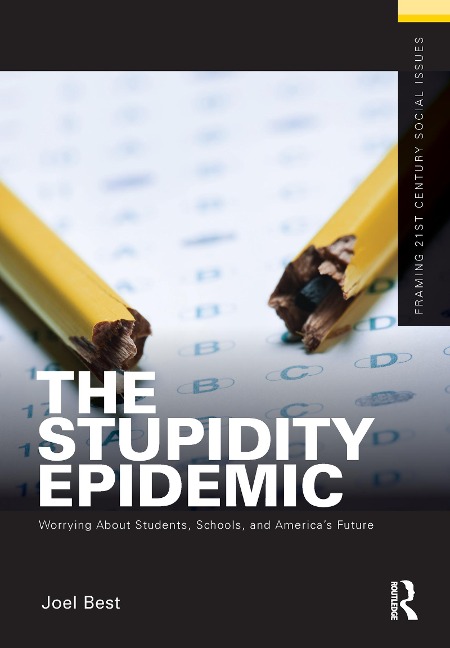
Critics often warn that American schools are failing, and that our students are ill-prepared for the challenges the future holds, and may even be "the dumbest generation." We can think of these claims as warning about a Stupidity Epidemic. This essay begins by tracing the history of the idea of that American students, teachers, and schools are somehow getting worse; the record shows that critics have been issuing such warnings for more than 150 years. It then examines four sets of data that speak to whether educational deterioration is taking place. First, data on educational attainment show a clear trend: more students are getting more education. Second, standardized test scores suggest that American students are performing somewhat better; certainly most test scores do not indicate that students are getting worse. Third, measures of popular knowledge also show evidence of improvement. Fourth, there is clear evidence that IQ scores have been rising. In other words, the best available evidence fails to support claims about a Stupidity Epidemic. The essay then turns to exploring several reasons why belief in educational decline is so common, and concludes by suggesting some more useful ways to think about educational problems. The goal of this new, unique Series is to offer readable, teachable "thinking frames" on today's social problems and social issues by leading scholars, all in short 60 page or shorter formats, and available for view on http://routledge.customgateway.com/routledge-social-issues.html For instructors teaching a wide range of courses in the social sciences, the Routledge Social Issues Collection now offers the best of both worlds: originally written short texts that provide "overviews" to important social issues as well as teachable excerpts from larger works previously published by Routledge and other presses.
Joel Best is Professor of Sociology and Criminal Justice at the University of Delaware. His work focuses on deviance and the sociology of social problems. His most recent books are "Social Problems" (2008), "Stat-Spotting: A Field Guide to Identifying Dubious Data" (2008), and "Everyone's a Winner: Life in Our Congratulatory Culture" (2011).
1. Our Doubts about America's Schools 2. Looking Backward at Fears of Failing Schools 3. Is There Evidence That Stupidity Is Increasing? 4. Explaining the Concern Beyond Stupidity: Better Ways to Think about Educational Issues
Dieses eBook wird im PDF-Format geliefert und ist mit einem Adobe Kopierschutz (DRM) versehen. Sie können dieses eBook mit allen Geräten lesen, die das PDF-Format und den Adobe Kopierschutz (DRM) unterstützen.
Zum Beispiel mit den folgenden Geräten:
• tolino Reader
Laden Sie das eBook direkt über den Reader-Shop auf dem tolino herunter oder übertragen Sie das eBook auf Ihren tolino mit einer kostenlosen Software wie beispielsweise Adobe Digital Editions.
• Sony Reader & andere eBook Reader
Laden Sie das eBook direkt über den Reader-Shop herunter oder übertragen Sie das eBook mit der kostenlosen Software Sony READER FOR PC/Mac oder Adobe Digital Editions auf ein Standard-Lesegeräte mit epub- und Adobe DRM-Unterstützung.
• Tablets & Smartphones
Möchten Sie dieses eBook auf Ihrem Smartphone oder Tablet lesen, finden Sie hier unsere kostenlose Lese-App für iPhone/iPad und Android Smartphone/Tablets.
• PC & Mac
Lesen Sie das eBook direkt nach dem Herunterladen mit einer kostenlosen Lesesoftware, beispielsweise Adobe Digital Editions, Sony READER FOR PC/Mac oder direkt über Ihre eBook-Bibliothek in Ihrem Konto unter „Meine eBooks“ - „online lesen“.
Schalten Sie das eBook mit Ihrer persönlichen Adobe ID auf bis zu sechs Geräten gleichzeitig frei.
Bitte beachten Sie, dass die Kindle-Geräte das Format nicht unterstützen und dieses eBook somit nicht auf Kindle-Geräten lesbar ist.