Und dann auf "Zum Home-Bildschirm [+]".

Stöbern
genialokal zum Startbildschirm hinzufügen
Installieren Sie die genialokal App auf Ihrem Startbildschirm für einen schnellen Zugriff und eine komfortable Nutzung.
Installieren Sie die genialokal App auf Ihrem Startbildschirm für einen schnellen Zugriff und eine komfortable Nutzung.

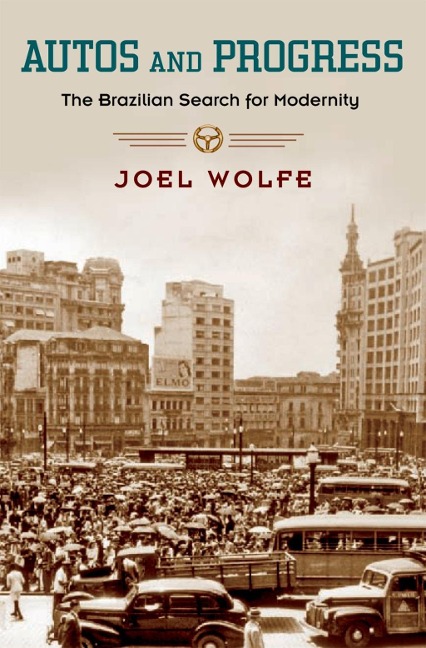
Autos and Progress reinterprets twentieth-century Brazilian history through automobiles, using them as a window for understanding the nation's struggle for modernity in the face of its massive geographical size, weak central government, and dependence on agricultural exports. Among the topics Wolfe touches upon are the first sports cars and elite consumerism; intellectuals' embrace of cars as the key for transformation and unification of Brazil; Henry Ford's building of a company town in the Brazilian jungle; the creation of a transportation infrastructure; democratization and consumer culture; auto workers and their creation of a national political party; and the economic and environmental impact of autos on Brazil. This focus on Brazilians' fascination with automobiles and their reliance on auto production and consumption as keys to their economic and social transformation, explains how Brazil--which enshrined its belief in science and technology in its national slogan of Order and Progress--has differentiated itself from other Latin American nations. Autos and Progress engages key issues in Brazil around the meaning and role of race in society and also addresses several classic debates in Brazilian studies about the nature of Brazil's great size and diversity and how they shaped state-making.
Joel Wolfe is Associate Professor of History at the University of Massachusetts, Amherst, and the author of Working Women, Working Men: São Paulo and the Rise of Brazil's Industrial Working Class, 1900-1955.
Introduction Chapter 1 First Cars: Curiosities of the Elite Chapter 2 The Coming of Tropical Modernity: Automobiles and the Question of Nation Chapter 3 Americanism and Fordism: The Search for the Brazilian El Dorado Chapter 4 Nationalist Development: Vargas and the Integration of Brazil Chapter 5 The Multinational Solution: Juscelino Kubitschek and the National Auto Industry Chapter 6 From Technocrats to Democrats: Automobility and Citizenship Epilogue: Tropical Modernity in a Globalized Space Notes