Und dann auf "Zum Home-Bildschirm [+]".

Stöbern
genialokal zum Startbildschirm hinzufügen
Installieren Sie die genialokal App auf Ihrem Startbildschirm für einen schnellen Zugriff und eine komfortable Nutzung.
Installieren Sie die genialokal App auf Ihrem Startbildschirm für einen schnellen Zugriff und eine komfortable Nutzung.
Ihr gewünschter Artikel ist in 0 Buchhandlungen vorrätig - wählen Sie hier eine Buchhandlung in Ihrer Nähe aus:

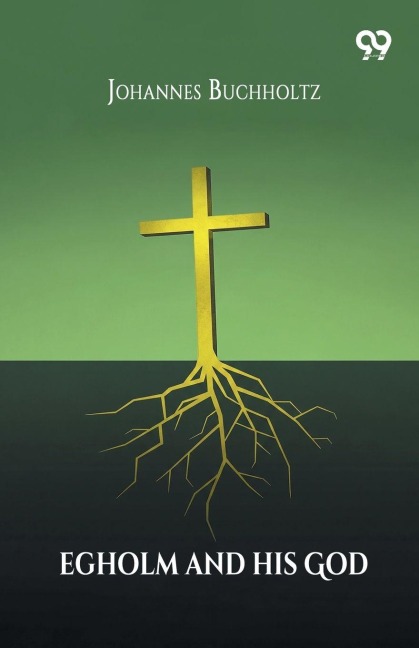
Egholm and his god tells the story of an individual immersed in personal and spiritual challenges as he navigates the complexities of faith, responsibility, and family life. The novel opens with a portrayal of a household shadowed by uncertainty, where the weather outside mirrors the emotional climate within. As the protagonist returns home weary and anxious, the tensions in the family become clear, exposing the pressures imposed by financial hardship and the pursuit of religious ideals. The narrative delves into the impact of belief systems on familial relationships, highlighting the discord between personal conviction and practical needs. The differing perspectives within the household reveal how each member copes with hardship-some turning inward, others seeking solace in faith or caution. Through subtle domestic scenes and quiet struggles, the novel examines the weight of unresolved hope, the strain of obligation, and the ways in which spirituality can both unite and divide. Ultimately, it is a reflection on the search for meaning amid adversity and the enduring influence of faith on individual and family life.
Johannes Buchholtz was a Danish writer born on 22 February 1882 in Odense, Denmark, whose literary works delve into the psychological and existential dimensions of human life. His writings often explored the intricate relationship between faith, doubt, and the individual's search for meaning in a world marked by uncertainty. Through his nuanced storytelling, he examined how moral conflicts and spiritual struggles influence personal identity and the perception of divine purpose. Buchholtz's prose balanced introspection with social observation, reflecting the tensions between traditional belief systems and modern skepticism. His novels, including Dr. Malthes hus, Egholm and His God, The Saga of Frank Dover, and The Miracles of Clara Van Haag, reveal a sensitivity to both the inner workings of the mind and the outer world of human interaction. His ability to blend philosophical insight with emotional realism made his work deeply reflective and enduring. Johannes Buchholtz died on 5 August 1940 at the age of 58, leaving behind a legacy that continues to resonate in Danish literature.