Und dann auf "Zum Home-Bildschirm [+]".

Stöbern
genialokal zum Startbildschirm hinzufügen
Installieren Sie die genialokal App auf Ihrem Startbildschirm für einen schnellen Zugriff und eine komfortable Nutzung.
Installieren Sie die genialokal App auf Ihrem Startbildschirm für einen schnellen Zugriff und eine komfortable Nutzung.
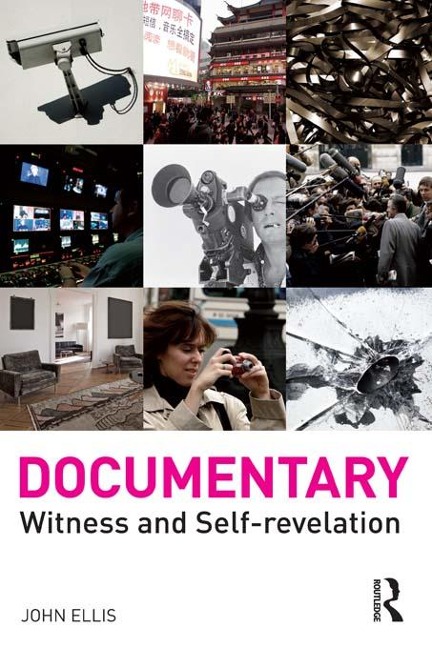
Digital technologies have transformed documentary for both filmmakers and audiences. Documentary: Witness and Self-Revelation takes an audience-centred approach to documentary, arguing that everyday experiences of what it feels like to film and to be filmed have developed a new sophistication and skepticism in today's viewers. The book argues that documentary has developed a new third phase of its century long history: films now tend to document the encounters between filmers and the filmed. But what do we really know about those encounters? The author's extensive experience of documentary production practice also enables him to examine technological changes in detail. Innovations in technology can seem to offer greater realism but can at the same time frustrate attempts to achieve it. John Ellis therefore proposes the idea of 'Slow Film' as an antidote to the problems of increasing speed brought about by easy digital editing. This book is ideal for students studying film, media studies and visual culture.
John Ellis is Professor of Media Arts at Royal Holloway, University of London and formerly a TV documentary producer. He is chair of the British Universities' Film and Video Council (BUFVC) and past vice-chair of both the subject association MeCCSA and the producers' organisation PACT. He has served as a member of the last two RAE panels. He is author of several books including TV FAQ (2007), Seeing Things (2000) and Visible Fictions (1982), and he published extensively in Screen, Media Culture and Society and other major journals. His work has been highly influential on the development of media and television studies in the UK, USA and Europe.
Introduction Chapter 1. From Reconstruction to Observation: A History of Documentary 1895-1995 Chapter 2. New Attitudes to Documentary Chapter 3. The Changing Technologies of Documentary Filmmaking Chapter 4. Performance and Self-revelation Chapter 5. Documentary Filming as Personal Interaction Chapter 6. Editing, Narratice and Separation Chapter 7. The Changing Technologies of Documentary Editing Chapter 8. Slow Film Chapter 9. The Eventual Viewer Chapter 10. Ambivalent Feelings about Photography and Recording Chapter 11. Witness and Watching Chapter 12. Ethics, Interpretation and the New Viewer Conclusion
Dieses eBook wird im PDF-Format geliefert und ist mit einem Adobe Kopierschutz (DRM) versehen. Sie können dieses eBook mit allen Geräten lesen, die das PDF-Format und den Adobe Kopierschutz (DRM) unterstützen.
Zum Beispiel mit den folgenden Geräten:
• tolino Reader
Laden Sie das eBook direkt über den Reader-Shop auf dem tolino herunter oder übertragen Sie das eBook auf Ihren tolino mit einer kostenlosen Software wie beispielsweise Adobe Digital Editions.
• Sony Reader & andere eBook Reader
Laden Sie das eBook direkt über den Reader-Shop herunter oder übertragen Sie das eBook mit der kostenlosen Software Sony READER FOR PC/Mac oder Adobe Digital Editions auf ein Standard-Lesegeräte mit epub- und Adobe DRM-Unterstützung.
• Tablets & Smartphones
Möchten Sie dieses eBook auf Ihrem Smartphone oder Tablet lesen, finden Sie hier unsere kostenlose Lese-App für iPhone/iPad und Android Smartphone/Tablets.
• PC & Mac
Lesen Sie das eBook direkt nach dem Herunterladen mit einer kostenlosen Lesesoftware, beispielsweise Adobe Digital Editions, Sony READER FOR PC/Mac oder direkt über Ihre eBook-Bibliothek in Ihrem Konto unter „Meine eBooks“ - „online lesen“.
Schalten Sie das eBook mit Ihrer persönlichen Adobe ID auf bis zu sechs Geräten gleichzeitig frei.
Bitte beachten Sie, dass die Kindle-Geräte das Format nicht unterstützen und dieses eBook somit nicht auf Kindle-Geräten lesbar ist.