Stöbern
genialokal zum Startbildschirm hinzufügen
Installieren Sie die genialokal App auf Ihrem Startbildschirm für einen schnellen Zugriff und eine komfortable Nutzung.
Installieren Sie die genialokal App auf Ihrem Startbildschirm für einen schnellen Zugriff und eine komfortable Nutzung.
Tippen Sie einfach auf Teilen:
 Und dann auf "Zum Home-Bildschirm [+]".
Ihr gewünschter Artikel ist in 0 Buchhandlungen vorrätig - wählen Sie hier eine Buchhandlung in Ihrer Nähe aus:

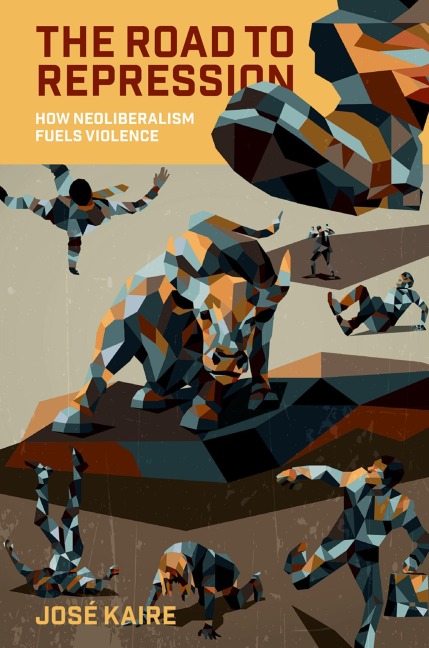
At the end of the Cold War, analysts, advocates, and policymakers believed that violent dictatorships were on a path toward extinction. The theory was that economic liberalization would constrain abusive regimes by reducing their economic power. But despite decades of economic globalization, some dictatorships remain as repressive as ever. Why has economic liberalization shielded some dictatorships from repression while making others more violent? The Road to Repression answers this question by examining the influence of political elites in autocratic systems around the world-from Latin America to Southeast Asia to West Africa. José Kaire explains the disparate outcomes in states with liberalizing markets by highlighting the impact of the relationship between dictators and their ruling class. As winners of the status quo, elites are skeptical of change; they see the regime as the guarantor of their power and economic reform as a threat to it. If the ruling coalition is strong, dictators must find a way to appease them or risk a coup. Leaders respond by repressing regime outsiders to show insiders that the status quo is safe despite the economic reforms. In contrast, leaders who have a weak elite can reform the economy without concessions and liberalization can succeed in empowering and protecting the public. Understanding the role that autocratic elites play is therefore crucial to determining whether autocracies will turn to violence after economic liberalization, and instructing on how to better promote human rights in the countries most likely to violate them.
José Kaire is Assistant Professor in the School of Politics and Global Studies at Arizona State University. He received his Ph.D. from the Department of Political Science at the University of Minnesota. His research focuses on the politics of authoritarian regimes and how best to promote human rights. His previous work has been published by leading academic journals in international relations and comparative politics.
- List of Tables - List of Figures - Acknowledgments - 1: Introduction - Part I Elite Compensation Theory - 2: Dictators and Elite Coordination - 3: The International Demand for Economic Liberalization and Human Rights - 4: Repression as a Tool for Compensation - Part II Economic Liberalization and Elite Compensation - 5: Elite Compensation under Economic Liberalization - 6: The Compensation Dynamic in Mexico, 1970â1990 - Part III Elite Compensation and the Costs of Regime Breakdown - 7: Elite Compensation under Democratic Diffusion - 8: Elite Compensation under the Human Rights Regime - 9: Conclusions - Appendices - References - Index