Stöbern
genialokal zum Startbildschirm hinzufügen
Installieren Sie die genialokal App auf Ihrem Startbildschirm für einen schnellen Zugriff und eine komfortable Nutzung.
Installieren Sie die genialokal App auf Ihrem Startbildschirm für einen schnellen Zugriff und eine komfortable Nutzung.
Tippen Sie einfach auf Teilen:
 Und dann auf "Zum Home-Bildschirm [+]".

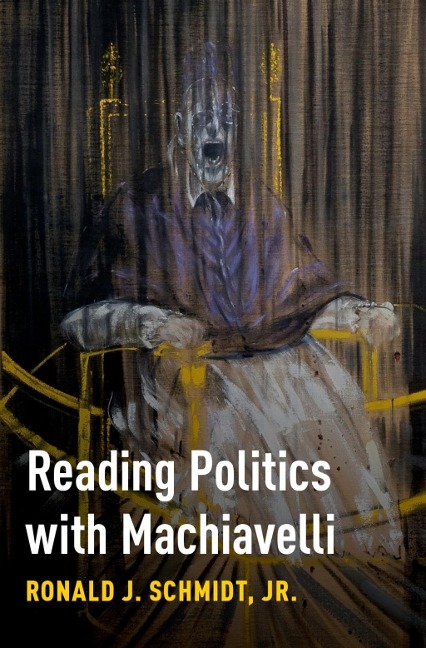
Political theorist Wendy Brown has argued recently that contemporary neoliberalism, with its relentless obsession on the economy, has all but undone the tenets of democracy. The focus on maximizing credit scores and capital has, over time, promoted a politics that operates beyond and below the institutional and electoral world, eroding not just the desire for democratic action but even our ability to imagine it. In light of recent politics, it seems we may have reached the apotheosis of this depressing vision. This book is meant to suggest one way of thinking past and out of the current moment, and it does so by looking to a perhaps unlikely figure: Niccolo Machiavelli. The book presents Machiavelli as an anachronistic thinker -- a thinker who, deprived of his political community and public identity during his exile from Florence, originated a new approach to democratic theory and practice. In particular he immersed himself in the writings of ancient thinkers and looked to them as models for understanding contemporary problems of corruption, conspiracy, and torture. This book's main contribution is a methodological one: it argues that the power in Machiavelli's work derived from this sort of anachronistic reading, which went against the grain of Renaissance thought. In turn it shows that if we imitate Machiavelli's interpretive method in reading The Prince and Discourses of Livy, we can find in them solutions to the neoliberal problems Brown warns about.
Ronald J. Schmidt, Jr. is Associate Professor of Political Science at University of Southern Maine. He is the author of This is the City: Making Model Citizens in Los Angeles.
Acknowledgments Chapter One: The Uncanny Friend Chapter Two: We Can Breathe Together: Reading Conspiracy with Machiavelli Chapter Three: Machiavelli's Moses Chapter Four: Torture, Exile, and the Citizen Chapter Five: Exhortations Notes References Index