Und dann auf "Zum Home-Bildschirm [+]".

Stöbern
genialokal zum Startbildschirm hinzufügen
Installieren Sie die genialokal App auf Ihrem Startbildschirm für einen schnellen Zugriff und eine komfortable Nutzung.
Installieren Sie die genialokal App auf Ihrem Startbildschirm für einen schnellen Zugriff und eine komfortable Nutzung.
Ihr gewünschter Artikel ist in 0 Buchhandlungen vorrätig - wählen Sie hier eine Buchhandlung in Ihrer Nähe aus:

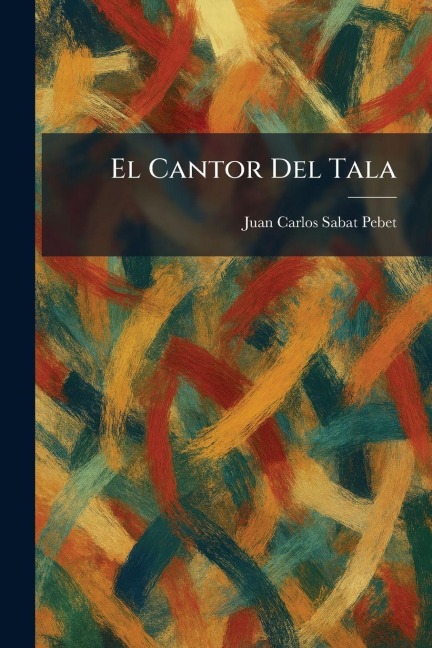
"El Cantor Del Tala" es una obra fundamental de Juan Carlos Sabat Pebet que explora la vida y el legado literario de Francisco Acuña de Figueroa, una de las figuras más emblemáticas de las letras uruguayas. A través de un análisis exhaustivo, el autor desentraña la complejidad de un poeta que supo capturar la esencia de su tiempo, transitando entre la sátira, la lÃ-rica patriÃ3tica y la sensibilidad neoclásica. Este estudio biográfico y crÃ-tico no solo rescata la figura del autor del Himno Nacional uruguayo, sino que también ofrece un fresco detallado de la sociedad y la cultura rioplatense del siglo XIX. Sabat Pebet profundiza en las contradicciones y el ingenio de Acuña de Figueroa, destacando su capacidad para dar voz a la identidad de una naciÃ3n en formaciÃ3n. La obra se presenta como un documento imprescindible para entender la evoluciÃ3n de la poesÃ-a en el Cono Sur y el papel de los intelectuales en la construcciÃ3n de la identidad nacional. Escrito con rigor y una prosa envolvente, "El Cantor Del Tala" sigue siendo una referencia clave para investigadores de la literatura hispanoamericana y lectores interesados en las raÃ-ces culturales de Uruguay. Es una invitaciÃ3n a redescubrir a un autor polifacético cuya influencia persiste en la tradiciÃ3n literaria regional. This work has been selected by scholars as being culturally important, and is part of the knowledge base of civilization as we know it. This work was reproduced from the original artifact, and remains as true to the original work as possible. Therefore, you may see the original copyright references, library stamps (as most of these works have been housed in our most important libraries around the world), and other notations in the work. This work is in the public domain in the United States of America, and possibly other nations. Within the United States, you may freely copy and distribute this work, as no entity (individual or corporate) has a copyright on the body of the work. As a reproduction of a historical artifact, this work may contain missing or blurred pages, poor pictures, errant marks, etc. Scholars believe, and we concur, that this work is important enough to be preserved, reproduced, and made generally available to the public. We appreciate your support of the preservation process, and thank you for being an important part of keeping this knowledge alive and relevant.