
Stöbern
genialokal zum Startbildschirm hinzufügen
Installieren Sie die genialokal App auf Ihrem Startbildschirm für einen schnellen Zugriff und eine komfortable Nutzung.
Installieren Sie die genialokal App auf Ihrem Startbildschirm für einen schnellen Zugriff und eine komfortable Nutzung.
Tippen Sie einfach auf Teilen:
 Und dann auf "Zum Home-Bildschirm [+]".
Bei genialokal.de kaufen Sie online bei Ihrer lokalen, inhabergeführten Buchhandlung!
Ihr gewünschter Artikel ist in 0 Buchhandlungen vorrätig - wählen Sie hier eine Buchhandlung in Ihrer Nähe aus:

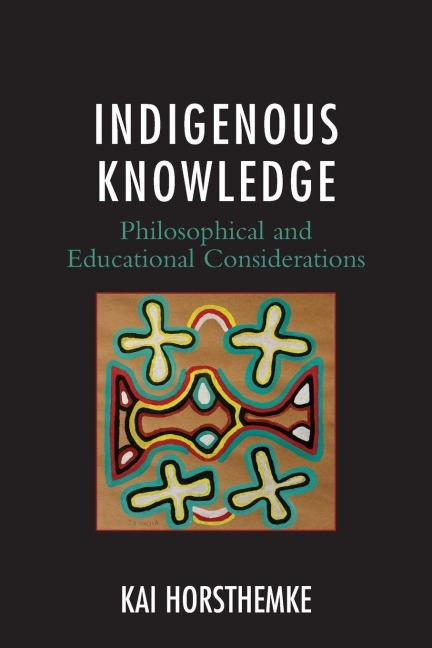
Although the manifestation of what is taken to be indigenous knowledge could presumably be traced back roughly to the origins of humankind, the idea of indigenous knowledge is a fairly recent phenomenon. It has arguably gained conceptual and discursive currency only over the past half century, with a veritable slew of conferences, workshops, special journal editions, and anthologies devoted to the topic. Yet, there has been no treatise that offers a comprehensive, critical examination of this notion. Accounts of indigenous knowledge usually focus on explanations of "indigenous," "local," "traditional," "African" and the like – but to date not a single defense of indigenous knowledge has bothered to explain the particular understanding of "knowledge" the authors are working with. Indigenous Knowledge: Philosophical and Educational Considerations’s critique of the idea of indigenous knowledge should in no way be understood as an endorsement of the evils of colonial conquest and (ongoing) exploitation, oppression, and subjugation. Nor should it be taken as an indication of a failure on the part of the Kai Horsthemke to sympathize with the struggle of indigenous peoples the world over for a dignified and sustainable way of life, for personal and communal space, and for self-determination. The aim of the book is to provide especially "indigenous" educators with theoretical tools for critical reflection and interrogation of their own and others’ preconceptions, assumptions, and epistemic practices and customs.
Kai Horsthemke is associate professor at the University of the Witwatersrand and the University of the Western Cape, both in South Africa, and at KU Eichstätt-Ingolstadt in Germany.
Contents Preface Introduction 1 The Idea of Indigenous Knowledge 2 Relational Epistemology and the Idea of Epistemological Diversity 3 An Analysis of Knowledge and Epistemology 4 A Critique of Indigenous Knowledge 5 Ethnomathematics 6 Indigenous Science 7 Traditional Ecological (or Environmental) Knowledge 8 Morality, Knowledge, and Local Values 9 Epistemic Justice, Recognition, and Rights 10 An Applied Epistemology for the Real World References Index About the Author