Und dann auf "Zum Home-Bildschirm [+]".

Stöbern
genialokal zum Startbildschirm hinzufügen
Installieren Sie die genialokal App auf Ihrem Startbildschirm für einen schnellen Zugriff und eine komfortable Nutzung.
Installieren Sie die genialokal App auf Ihrem Startbildschirm für einen schnellen Zugriff und eine komfortable Nutzung.
Ihr gewünschter Artikel ist in 0 Buchhandlungen vorrätig - wählen Sie hier eine Buchhandlung in Ihrer Nähe aus:

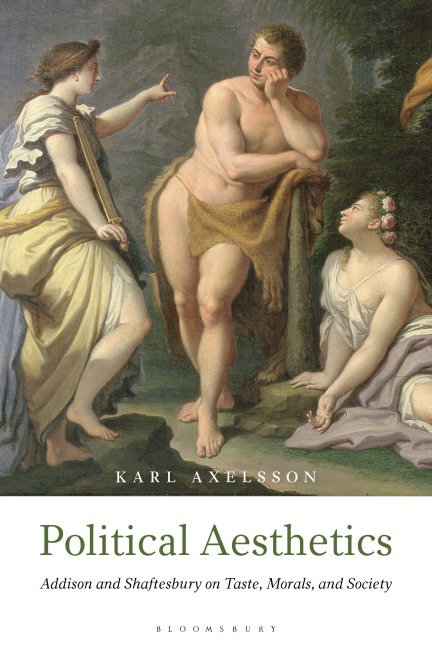
Providing a gateway to a new history of modern aesthetics, this book challenges conventional views of how art's significance developed in society.
The 18th century is often said to have involved a radical transformation in the concept of art: from the understanding that art is tool for some practical purpose, to the modern belief that it holds a distinctive and intrinsic value. By exploring the ground between these notions of art's function, Karl Axelsson reveals how scholars of culture made taste, morals, and a politically stable society an integral part of their claims about the experience of nature and art.
Focusing on the writings advanced by two of the most prolific men of letters in the eighteenth century, Joseph Addison (1672-1719) and the third Earl of Shaftesbury (1671-1713) it contests the conviction that modern aesthetic autonomy was a reorientation in criticism and philosophy originally prompted by these two key figures in the history of aesthetics.
By re-examining the political relevance of Addison's and Shaftesbury's theories of taste, Axelsson shows that they were, first and foremost, seeking to fortify a natural link between the aesthetic experience and the consolidation of modern political society.
Karl Axelsson is Research Fellow in Comparative Literature at Södertörn University, Sweden.
Acknowledgements Note to the Reader Introduction Rethinking a Provenance Reading the History of Aesthetics Addison and the Body Politic Shaftesbury, Affections, and Society Part I: Addison, Taste, and the Moral Body Politic 1.1 The Displacement of Political Authority 1.2 The Disposition of Taste 1.3 Aurelia and Fulvia 1.4 Ethico-Emotive Pleasures 1.5 Faith and Political Enthusiasm 1.6 Britain and the New Classicism 1.7 The Perils of the Foreign Part II: Moved by Affections: Shaftesbury on Beauty and Society 2.1 Natural Affections 2.2 Self-Knowledge and Disinterestedness 2.3 A Disinterested (Aesthetic) Perception 2.4 The Work of Art as a Whole 2.5 Taste for Society Coda: Reading Addison and Shaftesbury in the Future Bibliography Index