Stöbern
genialokal zum Startbildschirm hinzufügen
Installieren Sie die genialokal App auf Ihrem Startbildschirm für einen schnellen Zugriff und eine komfortable Nutzung.
Installieren Sie die genialokal App auf Ihrem Startbildschirm für einen schnellen Zugriff und eine komfortable Nutzung.
Tippen Sie einfach auf Teilen:
 Und dann auf "Zum Home-Bildschirm [+]".
Ihr gewünschter Artikel ist in 0 Buchhandlungen vorrätig - wählen Sie hier eine Buchhandlung in Ihrer Nähe aus:

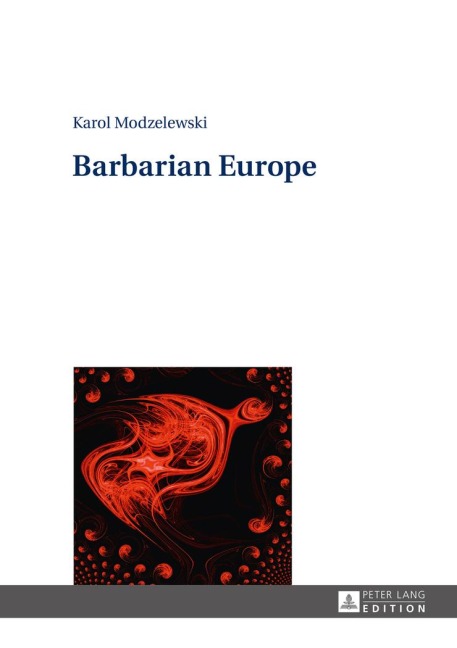
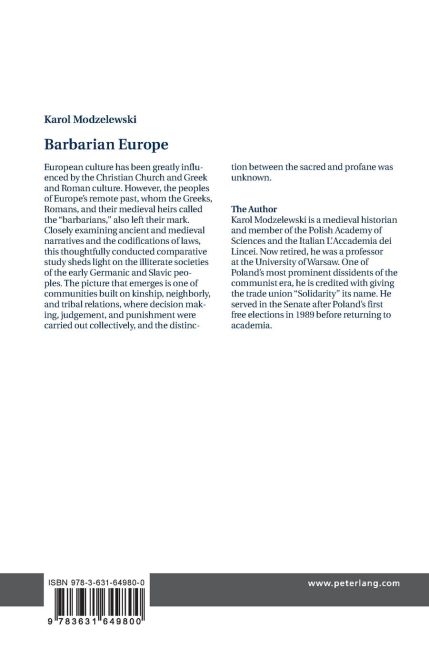
European culture has been greatly influenced by the Christian Church and Greek and Roman culture. However, the peoples of Europe-s remote past, whom the Greeks, Romans, and their medieval heirs called the «barbarians», also left their mark. Closely examining ancient and medieval narratives and the codifications of laws, this thoughtfully conducted comparative study sheds light on the illiterate societies of the early Germanic and Slavic peoples. The picture that emerges is one of communities built on kinship, neighborly, and tribal relations, where decision making, judgement, and punishment were carried out collectively, and the distinction between the sacred and profane was unknown.
Karol Modzelewski is a medieval historian and member of the Polish Academy of Sciences and the Italian L-Accademia dei Lincei. Now retired, he was a professor at the University of Warsaw. One of Poland-s most prominent dissidents of the communist era, he is credited with giving the trade union «Solidarity» its name. He served in the Senate after Poland-s first free elections in 1989 before returning to academia.
Contents: Barbarian Europe - Comparative analysis - Medieval law - Leges barbarorum - Barbarian laws - Barbarian collectivism - Barbarian kinship community - Revenge and wergild - Social differences in barbarian society - Barbarian community of neighbors - Barbarian political practice - Barbarian institutions - End of the world of the barbarians - The great relative - The great neighbor - The great warrior.