Und dann auf "Zum Home-Bildschirm [+]".

Stöbern
genialokal zum Startbildschirm hinzufügen
Installieren Sie die genialokal App auf Ihrem Startbildschirm für einen schnellen Zugriff und eine komfortable Nutzung.
Installieren Sie die genialokal App auf Ihrem Startbildschirm für einen schnellen Zugriff und eine komfortable Nutzung.
Ihr gewünschter Artikel ist in 0 Buchhandlungen vorrätig - wählen Sie hier eine Buchhandlung in Ihrer Nähe aus:

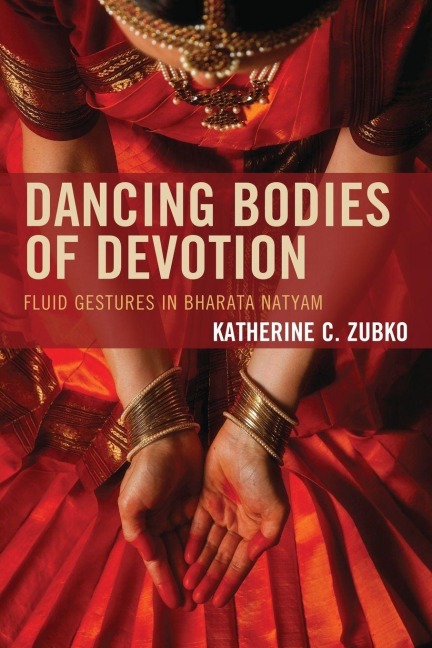
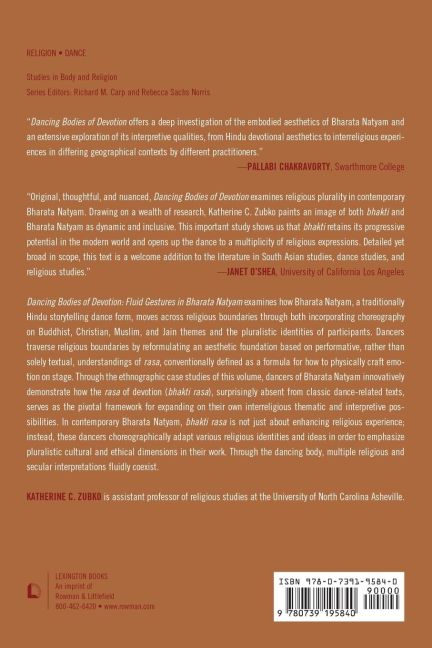
This ethnography examines how contemporary dancers of Bharata Natyam, a traditionally Hindu storytelling dance form, embody Buddhist, Muslim, Christian and Jain narratives. These dancers choreographically adapt various religious identities and ideas in order to emphasize pluralistic cultural and ethical dimensions in their work. Through the dancing body, multiple religious and secular interpretations are able to co-exist.
Katherine C. Zubko is assistant professor of religious studies at the University of North Carolina Asheville.
Part I: Religious Bodies Chapter 1: Rasa: A Taste of the Divine Chapter 2: Balasaraswati and Krishna Ni Begane Baro Chapter 3: Francis Barboza and Christian Themes Conclusion: Bhakti Rasa: A Re-Personalized Aesthetic of Devotion Part II: Cultural Bodies Chapter 4: Rasa and Bhakti as Indian Categories Chapter 5: Dhananjayans' Sanghamitra Chapter 6: Kalai Kaviri's Gayatri Mantra Conclusion: Is there an Indian way of dancing devotion? Part III: Ethical Bodies Chapter 7: Na?ya as Visual Education and the Ethics of Rasa Chapter 8: Dhananjayans' Stree (Woman) Chapter 9: Monica Cooley's Subhasitam: Morality Tales of India and Bhagavad Gita Sabdam Conclusion: An Ethics of Bhakti Rasa: Performance of a Moral Mood Part IV: Pluralistic Bodies Chapter 10: Unity and Multiplicity of Rasa Chapter 11: Malini Srinivasan and Sufi Qawwali Chapter 12: Tehreema Mitha and Ratt Jaga (The Vigil) Conclusion: Revisiting "Unity in Diversity" Conclusion Glossary Illustrated Glossary of Gestures