Und dann auf "Zum Home-Bildschirm [+]".

Stöbern
genialokal zum Startbildschirm hinzufügen
Installieren Sie die genialokal App auf Ihrem Startbildschirm für einen schnellen Zugriff und eine komfortable Nutzung.
Installieren Sie die genialokal App auf Ihrem Startbildschirm für einen schnellen Zugriff und eine komfortable Nutzung.
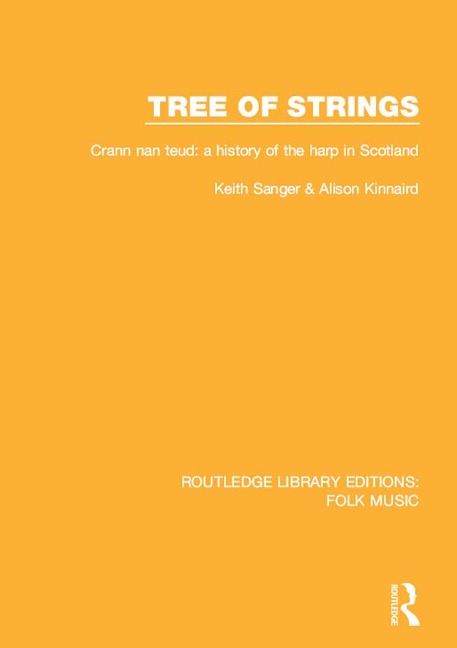
This is the first history of the harp in Scotland to be published. It sets out to trace the development of the instrument from its earliest appearance on the Pictish stones of the 8th century, to the present day. Describing the different harps played in the Highlands and the Lowlands of Scotland, the authors examine the literary and physical evidence for their use within the Royal Courts and "big houses" by professional harpers and aristocratic amateurs. They vividly follow the decline of the wire-strung clarsach from its links with the hereditary bards of the Highland chieftains to its disappearance in the 18th century, and the subsequent attempts at the revival of the small harp during the 19th and 20th centuries. The music played on the harp, and its links with the great families of Scotland are described. The authors present, in this book, material which has never before been brought to light, from unpublished documents, family papers and original manuscripts. They also make suggestions, based on their research, about the development and dissemination of the early Celtic harps and their music. This book, therefore, should be of great interest, not only to harp players but to historians, to all musicians in the fields of traditional and early music, and to any reader who recognises the importance of these beautiful instruments, and their music, throughout a thousand years of Scottish culture.
Keith Sanger is well-known in the field of Scottish history for his imaginative and meticulous research. He has published many articles relating to Highland history, early music and Scottish music. A piper himself, he developed an interest in the connection between Piobaireachd and Harp music which, along with the harp playing of his wife, led to a deeper investiation into the history and background of the Scottish and Irish harps in general. Alison Kinnaird has an international reputation as a visual artist and musician. She is also one of the foremost exponents of Scottish harp music, playing both gut and wire-strung Scottish harps.
Foreword 1. Myth and Magic: The Harp in Legend and Song 2. Shapes and Stones: The Earliest Archaeological Evidence 3. Clarsach and Cruit: Early Literary References and Nomenclature in Gaelic Areas 4. Harp and Carp: Early Literary References in Non-Gaelic Areas 5. Harps of Their Owne Sorte: Descriptions of Surviving Instruments 6. Fiction and Facts: The History of the Three Old Harps Examined 7. Court and Courtiers: The Harp at the Royal Court in Scotland 8. The Scots Lairds: The Harp in Non-Gaelic Areas 9. Irish Interplay: Irish Travelling Harpers and Musical Connections 10. Highland Harpers: Highland Clans and Their Harping Connections 11. Rory Dall Morrison and His Contemporaries: Three Harpers of the Mid 17th and 18th Centuries 12. The Atholl Connection: Perthshire as a Centre of Harping Activity 13. Fading Echoes: The Decline of the Harp in the Highlands 14. Puirt, Uirt and Orgain: The Music of the Harps 15. Classic Revival: The Harp in 19th-Century Scotland 16. A Harp New-Strung: The Harp in the 20th-Century. Appendices.
Dieses eBook wird im PDF-Format geliefert und ist mit einem Adobe Kopierschutz (DRM) versehen. Sie können dieses eBook mit allen Geräten lesen, die das PDF-Format und den Adobe Kopierschutz (DRM) unterstützen.
Zum Beispiel mit den folgenden Geräten:
• tolino Reader
Laden Sie das eBook direkt über den Reader-Shop auf dem tolino herunter oder übertragen Sie das eBook auf Ihren tolino mit einer kostenlosen Software wie beispielsweise Adobe Digital Editions.
• Sony Reader & andere eBook Reader
Laden Sie das eBook direkt über den Reader-Shop herunter oder übertragen Sie das eBook mit der kostenlosen Software Sony READER FOR PC/Mac oder Adobe Digital Editions auf ein Standard-Lesegeräte mit epub- und Adobe DRM-Unterstützung.
• Tablets & Smartphones
Möchten Sie dieses eBook auf Ihrem Smartphone oder Tablet lesen, finden Sie hier unsere kostenlose Lese-App für iPhone/iPad und Android Smartphone/Tablets.
• PC & Mac
Lesen Sie das eBook direkt nach dem Herunterladen mit einer kostenlosen Lesesoftware, beispielsweise Adobe Digital Editions, Sony READER FOR PC/Mac oder direkt über Ihre eBook-Bibliothek in Ihrem Konto unter „Meine eBooks“ - „online lesen“.
Schalten Sie das eBook mit Ihrer persönlichen Adobe ID auf bis zu sechs Geräten gleichzeitig frei.
Bitte beachten Sie, dass die Kindle-Geräte das Format nicht unterstützen und dieses eBook somit nicht auf Kindle-Geräten lesbar ist.