Und dann auf "Zum Home-Bildschirm [+]".

Stöbern
genialokal zum Startbildschirm hinzufügen
Installieren Sie die genialokal App auf Ihrem Startbildschirm für einen schnellen Zugriff und eine komfortable Nutzung.
Installieren Sie die genialokal App auf Ihrem Startbildschirm für einen schnellen Zugriff und eine komfortable Nutzung.

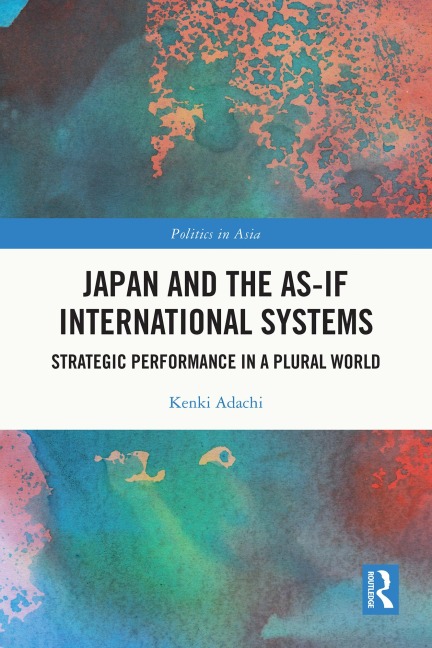
Adachi offers a groundbreaking reinterpretation of international relations through a non-Western lens and explores how Japan strategically engaged with, resisted, and at times created international systems-from the Chinese tributary system to the Western sovereign state system. By highlighting Japan's fluid participation in overlapping orders, the book challenges the notion of a singular, Western-centered international system. It blends global history with international relations theory to examine how identity, rather than mere power or interest, shapes a state's stance toward international systems to allow readers to gain a richly textured understanding of global politics, informed by historical sources from across Asia and Europe, and a fresh analytical framework for interpreting today's multipolar world. A valuable resource for scholars, researchers, and professionals of International Relations, Global IR, Asian history, and diplomatic studies and those interested in the evolution of international systems, the dynamics of U.S.-China rivalry, and the role of non-Western actors in shaping global order.
Kenki Adachi is Professor of International Politics at Ritsumeikan University, Japan. His works include Changing Arms Control Norms in International Society (London: Routledge, 2021), which won the 2023 International Studies Association Global IR Book Award, and The Ottawa Process: Formation Process of the Landmine Ban Regime (Tokyo: Yushindo, 2004), which won the 2004 Canadian Prime Minister Award.
List of Figures Acknowledgements Introduction: Rethinking Order through Strategic Performance 1. Origins of the Chinese International System and Japan's Strategic Engagement 2. Japan's Strategic Participation in the Chinese International System 3. Japan's As-If International System and Coexisting Orders 4. Japan's Strategic Withdrawal from As-If International Orders 5. Japan's Strategic Reentry into the Chinese International System 6. Japan's Response in a Collapsing East Asian Order 7. Japan's Strategic Agency between International Systems 8. Japan's Path from Ambiguity to Equality: Navigating Competing International Systems Conclusion: Strategic Performance and the Plural Foundations of International Order Index