Stöbern
genialokal zum Startbildschirm hinzufügen
Installieren Sie die genialokal App auf Ihrem Startbildschirm für einen schnellen Zugriff und eine komfortable Nutzung.
Installieren Sie die genialokal App auf Ihrem Startbildschirm für einen schnellen Zugriff und eine komfortable Nutzung.
Tippen Sie einfach auf Teilen:
 Und dann auf "Zum Home-Bildschirm [+]".
Ihr gewünschter Artikel ist in 0 Buchhandlungen vorrätig - wählen Sie hier eine Buchhandlung in Ihrer Nähe aus:

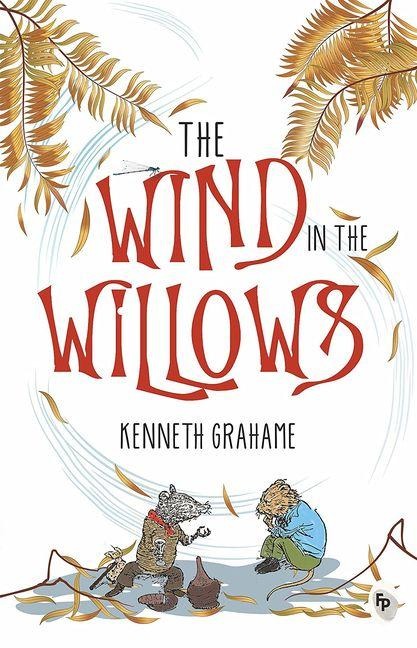
The Wind in the Willows by Kenneth Grahame is a beloved children's classic filled with friendship, adventure, humor, and the timeless beauty of the English countryside. Following the unforgettable journeys of Mole, Ratty, Mr. Toad, and Badger, this charming novel invites readers into a world of riverbanks, wild woods, cozy homes, and unexpected escapades.
When Mole leaves his underground home and discovers the river, he befriends the warmhearted Ratty and soon meets the lively and impulsive Mr. Toad and the dependable Badger. From peaceful boat rides to Toad's reckless motorcar adventures, imprisonment, escapes, and encounters with weasels and stoats, the story blends humor, adventure, and classic storytelling with memorable characters and imaginative scenes.
Through its beautifully told adventures, The Wind in the Willows explores enduring ideas about friendship, loyalty, courage, responsibility, home, and personal growth. Kenneth Grahame's lyrical descriptions of nature and the changing seasons give the novel its distinctive warmth, while the characters' contrasting personalities bring humor, heart, and valuable life lessons to every chapter.
A lasting favorite in classic children's literature, this timeless story is ideal for young readers discovering literary classics as well as adults returning to a nostalgic favorite. Perfect for readers who enjoy animal stories, adventure books, English classics, friendship stories, and family reading, it continues to delight generations with its blend of whimsy, wisdom, and imagination.
Why should readers pick this book?
Key Themes
Born in Edinburgh, Scotland, on March 8, 1859, Kenneth Grahame grew up along with his siblings at his grandmother's place in Cookham village, Berkshire. He attended St. Edward's School, Oxford, but could not continue his education at a University due to financial restrains. In 1879, he took up a career at the Bank of England on his guardian's guidance. Grahame wrote and contributed stories and articles to London journals such as the National Observer, The Yellow Book, and the St. James Gazette. He also published collections of stories, sketches, and essays. Pagan Papers (1893), The Golden Age (1895), a collection reminiscing childhood, and its sequel, Dream Days (1898) were all well-received by the literary critics of the day. His best-loved work, The Wind and the Willows, was published in 1908. Grahame breathed his last on July 6, 1932, in Pangbourne, Berkshire.