Und dann auf "Zum Home-Bildschirm [+]".

Stöbern
genialokal zum Startbildschirm hinzufügen
Installieren Sie die genialokal App auf Ihrem Startbildschirm für einen schnellen Zugriff und eine komfortable Nutzung.
Installieren Sie die genialokal App auf Ihrem Startbildschirm für einen schnellen Zugriff und eine komfortable Nutzung.
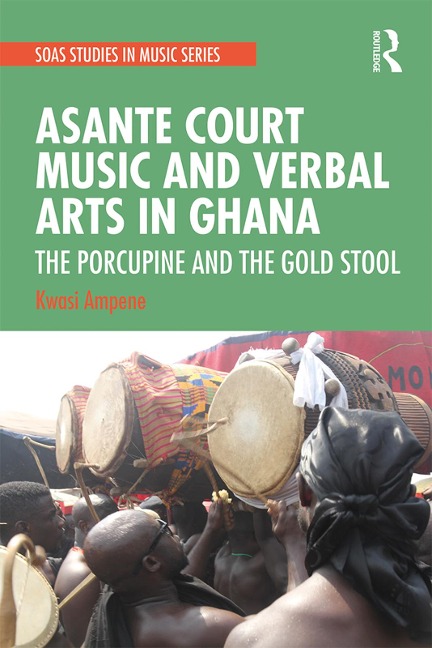
Asante Court Music and Verbal Arts in Ghana is a comprehensive portrait of Asante court musical arts. Weaving together historical narratives with analyses of texts performed on drums, ivory trumpets, and a cane flute, the book includes a critical assembly of ancient song texts, the poetry of bards (kwadwom), and referential poetry performed by members of the constabulary (apae). The focus is on the intersections between lived experience, music, and values, and refers to musical examples drawn from court ceremonies, rituals, festivals, as well as casual performances elicited in the course of fieldwork. For the Asante, the performing arts are complex sites for recording and storing personal experiences, and they have done so for centuries with remarkable consistency and self-consciousness. This book draws on archaeological, archival, historical, ethnographical and analytical sources to craft a view of the Asante experience as manifested in its musical and allied arts. Its goal is to privilege the voices of the Asante and how they express their history, religious philosophy, social values, economic, and political experiences through the musical and allied arts. The author's theoretical formulation includes the concept of value, referring to ideas, worldview concepts, beliefs, and social relationships that inform musical practices and choices in Asante.
Kwasi Ampene is Associate Professor of Ethnomusicology at the University of Michigan (USA). He specializes in the rich musical traditions of the Akan people of Ghana, West Africa. He is author of Female Song Tradition and the Akan of Ghana (Ashgate); Engaging Modernity: Asante in the Twenty-First Century (Michigan Publishing); and the producer of the documentary film, Gone to the Village.
1. Introduction; 2. Asante Court Music and Verbal Arts in Historical Perspective; 3. The Language and Poetry of Ivory Trumpets and Durugya Flute; 4. The Language and Poetry of Drums; 5. Rhetoric and History: Kete Songs and Physician's Songs; 6. Rhetoric and History-Chronicle and Referential Poetry (Kwadwom and Apae)
Dieses eBook wird im PDF-Format geliefert und ist mit einem Adobe Kopierschutz (DRM) versehen. Sie können dieses eBook mit allen Geräten lesen, die das PDF-Format und den Adobe Kopierschutz (DRM) unterstützen.
Zum Beispiel mit den folgenden Geräten:
• tolino Reader
Laden Sie das eBook direkt über den Reader-Shop auf dem tolino herunter oder übertragen Sie das eBook auf Ihren tolino mit einer kostenlosen Software wie beispielsweise Adobe Digital Editions.
• Sony Reader & andere eBook Reader
Laden Sie das eBook direkt über den Reader-Shop herunter oder übertragen Sie das eBook mit der kostenlosen Software Sony READER FOR PC/Mac oder Adobe Digital Editions auf ein Standard-Lesegeräte mit epub- und Adobe DRM-Unterstützung.
• Tablets & Smartphones
Möchten Sie dieses eBook auf Ihrem Smartphone oder Tablet lesen, finden Sie hier unsere kostenlose Lese-App für iPhone/iPad und Android Smartphone/Tablets.
• PC & Mac
Lesen Sie das eBook direkt nach dem Herunterladen mit einer kostenlosen Lesesoftware, beispielsweise Adobe Digital Editions, Sony READER FOR PC/Mac oder direkt über Ihre eBook-Bibliothek in Ihrem Konto unter „Meine eBooks“ - „online lesen“.
Schalten Sie das eBook mit Ihrer persönlichen Adobe ID auf bis zu sechs Geräten gleichzeitig frei.
Bitte beachten Sie, dass die Kindle-Geräte das Format nicht unterstützen und dieses eBook somit nicht auf Kindle-Geräten lesbar ist.