
Stöbern
genialokal zum Startbildschirm hinzufügen
Installieren Sie die genialokal App auf Ihrem Startbildschirm für einen schnellen Zugriff und eine komfortable Nutzung.
Installieren Sie die genialokal App auf Ihrem Startbildschirm für einen schnellen Zugriff und eine komfortable Nutzung.
Tippen Sie einfach auf Teilen:
 Und dann auf "Zum Home-Bildschirm [+]".
Bei genialokal.de kaufen Sie online bei Ihrer lokalen, inhabergeführten Buchhandlung!
Ihr gewünschter Artikel ist in 0 Buchhandlungen vorrätig - wählen Sie hier eine Buchhandlung in Ihrer Nähe aus:

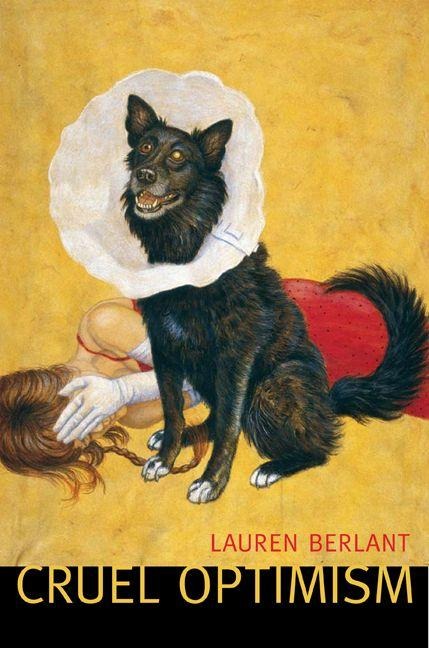
A relation of cruel optimism exists when something you desire is actually an obstacle to your flourishing. Offering bold new ways of conceiving the present, Lauren Berlant describes the cruel optimism that has prevailed since the 1980s, as the social-democratic promise of the postwar period in the United States and Europe has retracted. People have remained attached to unachievable fantasies of the good life-with its promises of upward mobility, job security, political and social equality, and durable intimacy-despite evidence that liberal-capitalist societies can no longer be counted on to provide opportunities for individuals to make their lives “add up to something.” Arguing that the historical present is perceived affectively before it is understood in any other way, Berlant traces affective and aesthetic responses to the dramas of adjustment that unfold amid talk of precarity, contingency, and crisis. She suggests that our stretched-out present is characterized by new modes of temporality, and she explains why trauma theory-with its focus on reactions to the exceptional event that shatters the ordinary-is not useful for understanding the ways that people adjust over time, once crisis itself has become ordinary. Cruel Optimism is a remarkable affective history of the present.
Lauren Berlant is George M. Pullman Professor of English at the University of Chicago. She is the author of The Female Complaint: The Unfinished Business of Sentimentality in American Culture and The Queen of America Goes to Washington City: Essays on Sex and Citizenship, both also published by Duke University Press, as well as The Anatomy of National Fantasy: Hawthorne, Utopia, and Everyday Life. She the editor of the books Intimacy; Compassion: The Culture and Politics of an Emotion; and (with Lisa Duggan) Our Monica, Ourselves: The Clinton Affair and National Interest.
Acknowledgments vii
Introduction. Affect in the Present 1
1. Cruel Optimism 23
2. Intuitionists: History and the Affective Event 51
3. Slow Death (Obesity, Sovereignty, Lateral Agency) 95
4. Two Girls, Fat and Thin 121
5. Nearly Utopian, Nearly Normal: Post-Fordist Affect in La Promese and Rosetta 161
6. After the Good Life, an Impasse: Time Out, Human Resources, and the Precrious Present 191
7. On the Desire for the Political 223
Note on the Cover Image: If Body: Riva and Zora in Middle Age 265
Notes 269
Bibliography 303
Index 327