Und dann auf "Zum Home-Bildschirm [+]".

Stöbern
genialokal zum Startbildschirm hinzufügen
Installieren Sie die genialokal App auf Ihrem Startbildschirm für einen schnellen Zugriff und eine komfortable Nutzung.
Installieren Sie die genialokal App auf Ihrem Startbildschirm für einen schnellen Zugriff und eine komfortable Nutzung.
Ihr gewünschter Artikel ist in 0 Buchhandlungen vorrätig - wählen Sie hier eine Buchhandlung in Ihrer Nähe aus:

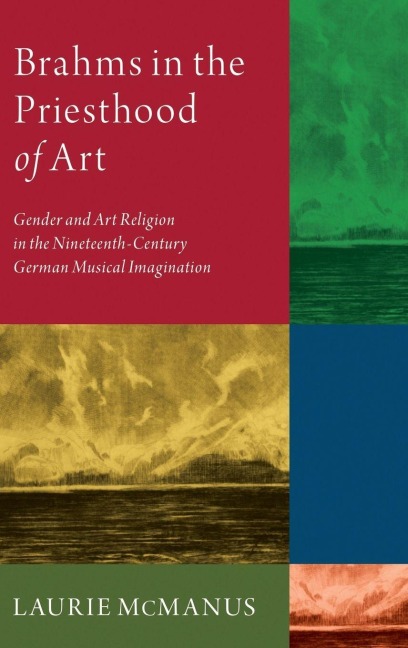
Brahms in the Priesthood of Art: Gender and Art Religion in the Nineteenth-Century German Musical Imagination explores the intersection of gender, art religion (Kunstreligion) and other aesthetic currents in Brahms reception of the nineteenth and early twentieth centuries. In particular, it focuses on the theme of the self-sacrificing musician devoted to his art, or "priest of music," with its quasi-mystical and German Romantic implications of purity seemingly at odds with the lived reality of Brahms's bourgeois existence. While such German Romantic notions of art religion informed the thinking on musical purity and performance, after the failed socio-political revolutions of 1848/49, and in the face of scientific developments, the very concept of musical priesthood was questioned as outmoded. Furthermore, its essential gender ambiguity, accommodating such performing mothers as Clara Schumann and Amalie Joachim, could suit the bachelor Brahms but leave the composer open to speculation. Supportive critics combined elements of masculine and feminine values with a muddled rhetoric of prophets, messiahs, martyrs, and other art-religious stereotypes to account for the special status of Brahms and his circle. Detractors tended to locate these stereotypes in a more modern, fin-de-si�cle psychological framework that questioned the composer's physical and mental well-being. In analyzing these receptions side by side, this book revises the accepted image of Brahms, recovering lost ambiguities in his reception. It resituates him not only in a romanticized priesthood of art, but also within the cultural and gendered discourses overlooked by the absolute music paradigm.
Laurie McManus is Associate Professor and Area Coordinator of Music Literature at Shenandoah Conservatory of Shenandoah University in Winchester, VA.
Introduction
Chapter 1. Imperatives of Purity and Sensuality
Chapter 2. A Post-Romantic Priest of Music
Chapter 3. Priestesses of Art
Chapter 4. The Temptation of Opera
Chapter 5. Ambiguities of the Priesthood
Chapter 6. Prostitutes, Trauma, and Biographical Hermeneutics of the Fin-de-Siècle
Epilogue. Musical Priesthood, Canon Formation, and the Regulation of Performance
Bibliography
Index