Und dann auf "Zum Home-Bildschirm [+]".

Stöbern
genialokal zum Startbildschirm hinzufügen
Installieren Sie die genialokal App auf Ihrem Startbildschirm für einen schnellen Zugriff und eine komfortable Nutzung.
Installieren Sie die genialokal App auf Ihrem Startbildschirm für einen schnellen Zugriff und eine komfortable Nutzung.

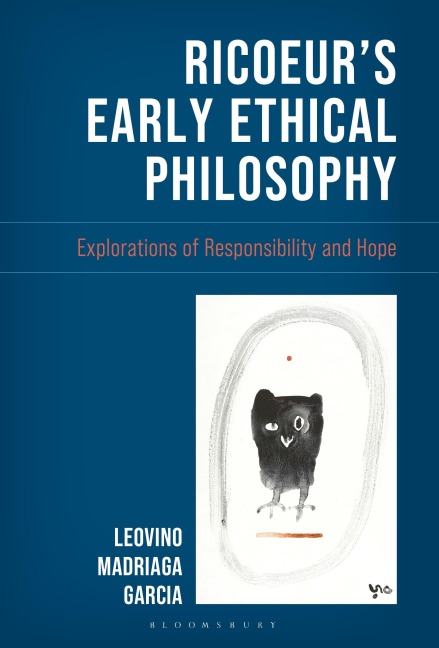
Using the themes of responsibility and hope, this introduction to the thought of Paul Ricoeur addresses both the beginner and the specialist.
By focusing on the early essays and early mature works-including the Philosophy of the Will volumes: Freedom and Nature, Fallible Man, and The Symbolism of Evil-Leovino Garcia shows that Ricoeur's entire orientation is primarily ethical in that it awakens in us the power to exist creatively. Ricoeur brings the Joy of the Yes to the sadness of the finite, the passion for the possible to the resignation to necessity, and the vehemence of the primary affirmation to the radical negation.
Leovino Madriaga Garcia teaches philosophy at the Jesuit Ateneo de Manila University's School of Humanities, Ateneo's Loyola School of Theology, and the Royal and Pontifical University of Santo Tomas's (UST) Graduate School.
Foreword by George H. Taylor
Acknowledgments
Introduction
Part I: The Philosophical Exploration of Paul Ricoeur
Chapter 1. Ricoeur's Philosophical Exploration
Part II: The Meaning of Being Human in Ricoeur's Philosophy of the Will
Introduction to Part II: Methodological Perspectives
Chapter 2: Eidetics of the Will: A Phenomenological-Existential Description of the Fundamental Possibilities of Being Human
Chapter 3: Empirics of the Will: A Transcendental Analysis of Human Fallibility
Chapter 4: A Phenomenological-Hermeneutic Reflection on the Avowal of Human Fault
Part III: The Meaning of Being Human in Ricoeur's Early Social-Political Writings
Introduction to Part III
Chapter 5: Ricoeur's Critique of Civilization and Culture
Chapter 6: Ricoeur's Reflection on the Christian and Society
Chapter 7: Ricoeur's View on Politics and the State
Conclusion
Bibliography
Index
About the Author