Und dann auf "Zum Home-Bildschirm [+]".

Stöbern
genialokal zum Startbildschirm hinzufügen
Installieren Sie die genialokal App auf Ihrem Startbildschirm für einen schnellen Zugriff und eine komfortable Nutzung.
Installieren Sie die genialokal App auf Ihrem Startbildschirm für einen schnellen Zugriff und eine komfortable Nutzung.
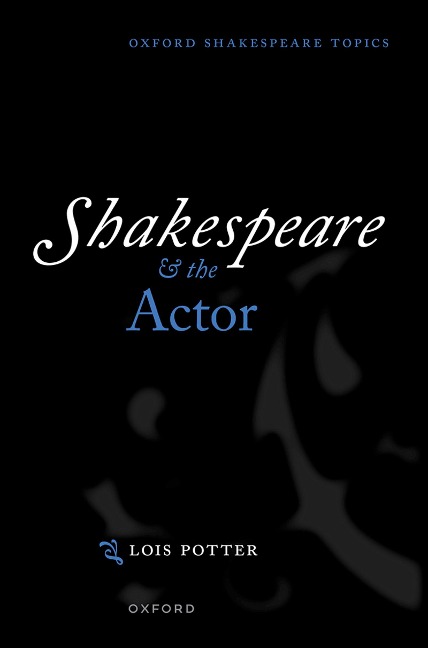
What is a 'Shakespearean actor'? Does the term still have any meaning? Drawing on the biographical and autobiographical accounts of actors and directors, as well as on interviews with actors from a wide range of backgrounds, this book looks at these questions in a variety of contexts, historical and contemporary. A survey of the training of the classical actor, with its increasing vocal and physical demands, considers how it, like its subsequent career path, is affected by class and gender. There is discussion of the uneasy balance of power between actors and directors, rehearsal practice, the difficulties faced by women as performers and directors, and attempts at undirected productions. Other chapters consider the roles that actors do and don't want to play, and why, their relation to the Shakespeare text and editorial practice, the complex relationship between actor and audience, and the popularity of anecdotes about things that go wrong. Throughout, examples are taken, as far as possible, from the author's own long experience of theatregoing. A final chapter looks at new trends in the theatre that have been accelerated by the long period of closure during the pandemic, particularly attempts at greater inclusivity in both actors and audiences. It concludes that the main reason Shakespeare is performed is that actors want to play the roles he wrote.
Lois Potter earned her doctorate at Cambridge University as a Marshall scholar. She has taught at the Universities of Aberdeen, Leicester, and Delaware, as a Visiting Professor at Paris III/Sorbonne-Nouvelle and Tsuda College, Japan, and as a seminar leader at the Folger Shakespeare Library. She has also been a Trustee of the Shakespeare Association of America and has taught for Globe Education. She has published on Shakespeare, Milton, early modern drama, literature of the English civil war, and Robin Hood, and often reviews theatrical productions.
- Preface - 1: The Idea of the Shakespearian Actor - 2: Training - 3: Directors - 4: Text - 5: Roles - 6: Audiences - 7: Trends - Notes - Further Reading
Dieses eBook wird im PDF-Format geliefert und ist mit einem Adobe Kopierschutz (DRM) versehen. Sie können dieses eBook mit allen Geräten lesen, die das PDF-Format und den Adobe Kopierschutz (DRM) unterstützen.
Zum Beispiel mit den folgenden Geräten:
• tolino Reader
Laden Sie das eBook direkt über den Reader-Shop auf dem tolino herunter oder übertragen Sie das eBook auf Ihren tolino mit einer kostenlosen Software wie beispielsweise Adobe Digital Editions.
• Sony Reader & andere eBook Reader
Laden Sie das eBook direkt über den Reader-Shop herunter oder übertragen Sie das eBook mit der kostenlosen Software Sony READER FOR PC/Mac oder Adobe Digital Editions auf ein Standard-Lesegeräte mit epub- und Adobe DRM-Unterstützung.
• Tablets & Smartphones
Möchten Sie dieses eBook auf Ihrem Smartphone oder Tablet lesen, finden Sie hier unsere kostenlose Lese-App für iPhone/iPad und Android Smartphone/Tablets.
• PC & Mac
Lesen Sie das eBook direkt nach dem Herunterladen mit einer kostenlosen Lesesoftware, beispielsweise Adobe Digital Editions, Sony READER FOR PC/Mac oder direkt über Ihre eBook-Bibliothek in Ihrem Konto unter „Meine eBooks“ - „online lesen“.
Schalten Sie das eBook mit Ihrer persönlichen Adobe ID auf bis zu sechs Geräten gleichzeitig frei.
Bitte beachten Sie, dass die Kindle-Geräte das Format nicht unterstützen und dieses eBook somit nicht auf Kindle-Geräten lesbar ist.