Stöbern
genialokal zum Startbildschirm hinzufügen
Installieren Sie die genialokal App auf Ihrem Startbildschirm für einen schnellen Zugriff und eine komfortable Nutzung.
Installieren Sie die genialokal App auf Ihrem Startbildschirm für einen schnellen Zugriff und eine komfortable Nutzung.
Tippen Sie einfach auf Teilen:
 Und dann auf "Zum Home-Bildschirm [+]".
Ihr gewünschter Artikel ist in 0 Buchhandlungen vorrätig - wählen Sie hier eine Buchhandlung in Ihrer Nähe aus:

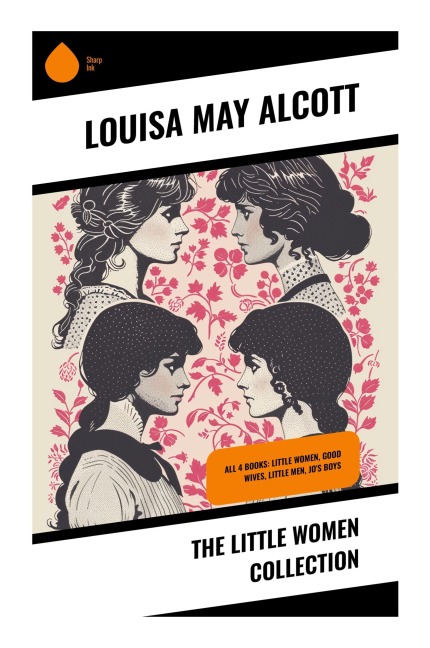
The Little Women Collection gathers Louisa May Alcott's beloved March-family narratives into a sustained portrait of girlhood, domestic life, moral education, and artistic aspiration in nineteenth-century America. Beginning with the sisters' coming-of-age amid Civil War absence and economic constraint, the books blend sentimental fiction, realism, comedy, and reformist didacticism. Alcott's lively dialogue and episodic structure transform household trials into ethical drama, placing female ambition and familial duty within the broader literary context of postbellum domestic fiction. Alcott wrote from intimate knowledge of both poverty and idealism. Raised among Transcendentalist reformers by the philosopher Bronson Alcott and the activist Abigail May Alcott, she absorbed radical ideas about education, conscience, and women's independence. Her work as a teacher, seamstress, governess, and Civil War nurse sharpened her understanding of labor and sacrifice; her own literary ambitions shaped Jo March, one of American fiction's most enduring self-portraits. This collection is recommended not merely as a cherished classic, but as a complex meditation on growing up, making art, and negotiating social expectation. Readers interested in women's writing, family narratives, or American literary history will find it humane, witty, and remarkably modern.
Louisa May Alcott (1832-1888) was an American novelist, short story writer and poet best known as the author of the novel Little Women (1868) and its sequels Little Men (1871) and Jo's Boys (1886). Raised in New England by her transcendentalist parents, she grew up among many of the well-known intellectuals of the day, such as Ralph Waldo Emerson, Nathaniel Hawthorne, Henry David Thoreau, and Henry Wadsworth Longfellow. Alcott's family suffered from financial difficulties, and while she worked to help support the family from an early age, she also sought an outlet in writing. She began to receive critical success for her writing in the 1860s. Early in her career, she sometimes used the pen name A. M. Barnard, under which she wrote novels for young adults that focused on spies and revenge.