
Stöbern
genialokal zum Startbildschirm hinzufügen
Installieren Sie die genialokal App auf Ihrem Startbildschirm für einen schnellen Zugriff und eine komfortable Nutzung.
Installieren Sie die genialokal App auf Ihrem Startbildschirm für einen schnellen Zugriff und eine komfortable Nutzung.
Tippen Sie einfach auf Teilen:
 Und dann auf "Zum Home-Bildschirm [+]".
Bei genialokal.de kaufen Sie online bei Ihrer lokalen, inhabergeführten Buchhandlung!
Ihr gewünschter Artikel ist in 0 Buchhandlungen vorrätig - wählen Sie hier eine Buchhandlung in Ihrer Nähe aus:

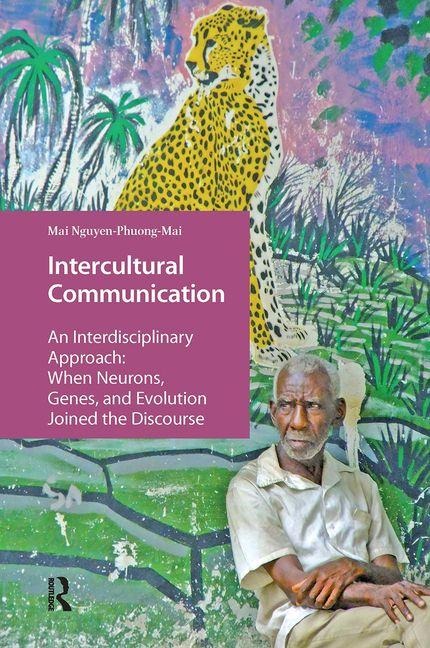
This book is an introduction to Intercultural Communication (IC) that takes into account the much neglected dynamic paradigm of culture in the literature. It posits that culture is not static, context is the driving force for change, and individuals can develop a multicultural mind. It is also the first IC textbook in the field that incorporates insight from evolutionary biology and the newly emerging discipline of cultural neurosciences. Such an interdisciplinary approach provides readers with new angles, encourages critical thinking, and sometimes challenges conventional knowledge in the field. The combination of the author's multicultural academic and journalistic background contributes to a balance of diverse perspectives and world views on cultural theories and discourses. The book is ideal for courses in Intercultural Communication with study cases, discussion topics and class activities.
Dr. Mai Nguyen-Phuong-Mai is Associate Professor at Amsterdam School of International Business, The Netherlands. She also owns a training agency and freelances for diverse media channels. As a world citizen, she comes from the East, works in the West and lives everywhere in between.
Preface 1. The Survival of the Most Cultured 1.1 The Nature of Culture 1.2 Cultural Diversity 1.3 Diversity Pathways 1.4 Globalization 2. The Evolving Culture 2.1 The Metaphorical Tree of Culture 2.2 The Change in Culture 2.3 The Inverted Pyramid Model 2.4 Culture And International Business 3. Stereotype - A Necessary Evil 3.1 Stereotype 3.2 Prejudice 3.3 Strategies for Living with Stereotypes and Reducing Prejudices 4. Non-Verbal Communication - How You Make Them Feel 4.1 The Role of Non-verbal Communication 4.2 The Role of Context in Non-verbal Communication 4.3 Context in Setting: Time and Space 4.4 Context from the Body 4.5 The Limitations of Non-verbal Communication 5. A Taxonomy of Diversity 5.1 Group Attachment 5.2 Hierarchy Acceptance 5.3 Gender Association 5.4 Uncertainty Avoidance 5.5 Time Orientation 6. Intercultural Competence - Creating Yourself 6.1 Seeking Similarity 6.2 Acculturation 6.3 Intercultural Competence 7. Diversity Management and Inclusion 7.1 The Drivers and Dimensions of Workforce Diversity 7.2 The Benefits of a Diverse Workforce 7.3 The Challenges of Diversity 7.4 Strategies for Diversity Notes, Index.