Stöbern
genialokal zum Startbildschirm hinzufügen
Installieren Sie die genialokal App auf Ihrem Startbildschirm für einen schnellen Zugriff und eine komfortable Nutzung.
Installieren Sie die genialokal App auf Ihrem Startbildschirm für einen schnellen Zugriff und eine komfortable Nutzung.
Tippen Sie einfach auf Teilen:
 Und dann auf "Zum Home-Bildschirm [+]".
Ihr gewünschter Artikel ist in 0 Buchhandlungen vorrätig - wählen Sie hier eine Buchhandlung in Ihrer Nähe aus:

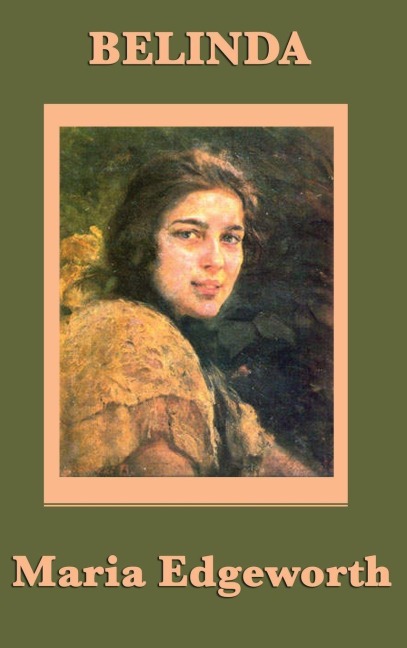
Belinda is Maria Edgeworth's sharp, intelligent novel of society, courtship, reputation, and moral independence in the world of the English aristocracy and gentry. Young Belinda Portman enters fashionable society under the guidance of Lady Delacour, a brilliant, wounded, and self-dramatizing woman whose marriage, friendships, secrets, and social performance reveal the dangers beneath polished manners. Around them, Edgeworth builds a novel of wit, observation, emotional testing, and social judgment. First published in 1801, Belinda belongs to the important early tradition of women's fiction and the novel of manners. Edgeworth examines education, marriage, female friendship, class, race, fashion, debt, reputation, and the pressure placed on women to choose wisely in a world designed to punish them for choosing badly. The novel was also controversial in its early form for its treatment of interracial marriage and colonial identity, and later editions altered some of that material, making Belinda a significant text for readers interested in how fiction, society, and publication history intersect. Readers interested in Jane Austen, Frances Burney, early women novelists, Anglo-Irish literature, social satire, and the development of the nineteenth-century novel will find Belinda an important and rewarding work. It is both a lively society novel and a serious study of character, education, moral judgment, and the restrictions placed on women inside the polite world.
Maria Edgeworth was an Anglo-Irish novelist, educational writer, and one of the most important English-language fiction writers of the late eighteenth and early nineteenth centuries. Born in 1768, she became known for fiction that combined social observation, moral argument, comedy, education, and a strong interest in how character is shaped by family, class, nationality, and social pressure. Her work helped develop the regional novel, the novel of manners, and the realist tradition that later writers would continue to expand.Edgeworth's major works include Castle Rackrent, Belinda, The Absentee, Ormond, and many stories and educational writings. She was widely read in her own day and admired by later writers, including those interested in the development of Irish fiction, women's authorship, domestic fiction, and social realism. In Belinda, she brings together courtship, satire, moral education, and fashionable society in a novel that remains valuable for readers of classic fiction, Anglo-Irish literature, early women novelists, and the history of the nineteenth-century novel.