Und dann auf "Zum Home-Bildschirm [+]".

Stöbern
genialokal zum Startbildschirm hinzufügen
Installieren Sie die genialokal App auf Ihrem Startbildschirm für einen schnellen Zugriff und eine komfortable Nutzung.
Installieren Sie die genialokal App auf Ihrem Startbildschirm für einen schnellen Zugriff und eine komfortable Nutzung.
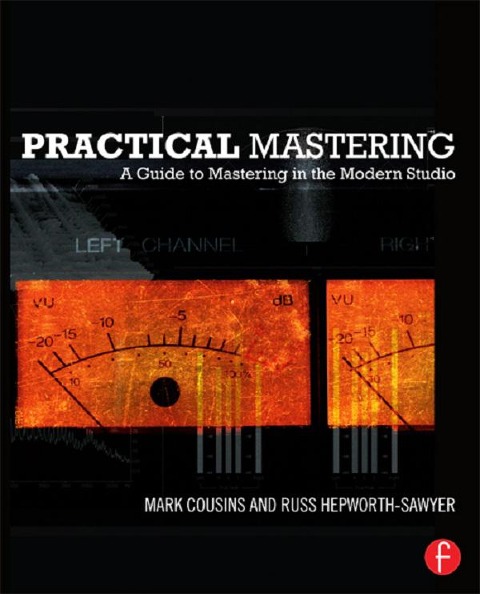
Guiding you through the history and emergence of modern mastering techniques, then providing practical hints and tips on how to use them in your set up, Practical Mastering is the book for anyone interested in tackling this elusive art form. Providing you with sold mastering theory underpinned by years of professional experience and hands-on advice for getting the most out of your set up while honing your ears to efficiently and effectively listen to your mixes in order to create perfectly polished master tracks.
Mark Cousins works as a composer, programmer and engineer, as well as being senior writer for Music Tech Magazine. His professional work includes composing music for some of the world's largest production music companies - including Universal Publishing Production Music - with broadcaster credits including BBC1, BBC2, ITV, Channel 4, Five, BBC World and Sky One, among others. He has also had works performed by the Royal Philharmonic Orchestra, the East of England Orchestra, City of Prague Philharmonic Orchestra and the Brighton Festival Chorus, as well as having mixed several orchestral albums for BMG Zomba. Russ Hepworth-Sawyer is a sound engineer and producer with extensive experience in all things audio. He is a member of the Association of Professional Recording Services and the Audio Engineering Society; a Fellow of the Institute For Learning (U.K.); and a board member of the Music Producer's Guild. Through MOTTOsound (www.mottosound.co.uk), Russ works freelance in the industry as a mastering engineer, a producer, writer, and consultant. Russ currently lectures part-time for York St John University and Barnsley College Online and has taught extensively in higher education at British institutions including Leeds College of Music, London College of Music, and Rose Bruford College. He currently writes for Pro Sound News Europe, has contributed to Sound On Sound magazine, and has written many titles for Focal Press.
> > > The future holds... Mastering Tools Professional Mastering v. Project Studio Mastering Professional Studio: (as scene setter) DAW A/D D/A Monitoring Desk| Single Processing| Project Studio Mastering: (this should be about how to improve your studio to some extent, as well as the equipment you need to master effectively) DAW Digital processing (plug-ins) Analogue processing Monitoring Acoustic treatment Mastering (Step-by-step guide to the key processes in mastering - from which the authors will explore in more detail in the rest of section 2. It's important the reader understands the whole picture first, before we deal with the specifics.) Source material & File Formats Source Material quality of dynamic range spread of frequencies and energy mastered already? Source material musically Making an assessment per track per album File Formats types bit depth sample frequencies Pre-mastering processing Editing and Compilation Codes and specifications DAW and Plug-in Comparison (A DAW comparison - looking at the methods involved in using range of standard DAWs for mastering. Applies chapter 2 in context of main apps. This sets the scene for the application in the following chapters). Logic/Waveburner Cubase Pro Tools Reason Ableton Redefining Timbre Equalisation Multiband Compression Exciters Distortion & Other Effects Controlling Dynamics Single band Multiband other techniques Creating & Managing Loudness techniques to improve loudness Techniques such as parallel compression, productions strategies, limiting, Inflation and Enhancement, role of frequency in loudness, auditory perception of loudness, and so on. Editing Track editing Fades, crossfades and cuts. Programme editing timings, gap lengths etc. Making a Product Creating a master Using Codes ISRC, UPC/EAN, PQ sheets and how to register these with PPL and so on Track names discussion about CD TEXT and pros and cons. Formats CD-A DDPi Delivery FTP versus DVD Others Knowledgebase - Listening is Key All you need is Listening How we listen audio theory placed in context with listening. the ear the brain the auditory system Decibels and Hertz! Monitoring systems and Setups How to listen Introduction Macro (holistic) versus micro listening Listening - Music versus Sound discussion about switching between the musical engagement and simply the higher altitude listening of just the sound, frequencies, timbres and their relationship to each other. Listening Analysis Listening Exercises/Examples
Dieses eBook wird im PDF-Format geliefert und ist mit einem Adobe Kopierschutz (DRM) versehen. Sie können dieses eBook mit allen Geräten lesen, die das PDF-Format und den Adobe Kopierschutz (DRM) unterstützen.
Zum Beispiel mit den folgenden Geräten:
• tolino Reader
Laden Sie das eBook direkt über den Reader-Shop auf dem tolino herunter oder übertragen Sie das eBook auf Ihren tolino mit einer kostenlosen Software wie beispielsweise Adobe Digital Editions.
• Sony Reader & andere eBook Reader
Laden Sie das eBook direkt über den Reader-Shop herunter oder übertragen Sie das eBook mit der kostenlosen Software Sony READER FOR PC/Mac oder Adobe Digital Editions auf ein Standard-Lesegeräte mit epub- und Adobe DRM-Unterstützung.
• Tablets & Smartphones
Möchten Sie dieses eBook auf Ihrem Smartphone oder Tablet lesen, finden Sie hier unsere kostenlose Lese-App für iPhone/iPad und Android Smartphone/Tablets.
• PC & Mac
Lesen Sie das eBook direkt nach dem Herunterladen mit einer kostenlosen Lesesoftware, beispielsweise Adobe Digital Editions, Sony READER FOR PC/Mac oder direkt über Ihre eBook-Bibliothek in Ihrem Konto unter „Meine eBooks“ - „online lesen“.
Schalten Sie das eBook mit Ihrer persönlichen Adobe ID auf bis zu sechs Geräten gleichzeitig frei.
Bitte beachten Sie, dass die Kindle-Geräte das Format nicht unterstützen und dieses eBook somit nicht auf Kindle-Geräten lesbar ist.