Und dann auf "Zum Home-Bildschirm [+]".

Stöbern
genialokal zum Startbildschirm hinzufügen
Installieren Sie die genialokal App auf Ihrem Startbildschirm für einen schnellen Zugriff und eine komfortable Nutzung.
Installieren Sie die genialokal App auf Ihrem Startbildschirm für einen schnellen Zugriff und eine komfortable Nutzung.
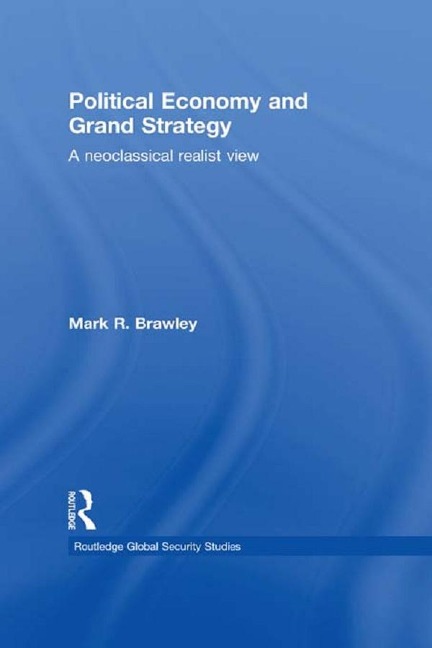
This book examines traditional balance of power theory from a political-economic perspective, using historical examples, to draw out distinctions between the liberal and realist approach and how this affects grand strategy. The realist view of the balance of power theory includes implicit assumptions that economic assets can be turned quickly into power, and that states always respond to threats quickly and only with a view to the 'short-run'. These assumptions drive many of the expectations generated from traditional balance-of-power theory, discouraging realists from looking at domestic sources of power, which in turn undermined their ability to frame strategic decisions properly. By thinking about how power must be managed over time, however, we can model the choices policy-makers confront when determining expenditures on defense, while keeping an eye on the impact of those costs on the economy. By emphasizing the role of the state, identifying different causal patterns in domestic politics, and demonstrating the importance of systemic competition, this book aims to establish why a neo-classical realist approach is not only different from a liberal approach, but also superior when addressing questions on grand strategy. This book will be of much interest to students of security studies, international political economy, grand strategy and IR theory in general. Mark R. Brawley is Professor of Political Science at McGill University, Montreal, Canada. He is author of several books on International Relations, specialising in the connections between political economic issues and security.
Mark R. Brawley is Professor of Political Science at McGill University, Montreal, Canada. He is author of several books on International Relations, specializing in the connections between political-economic issues and security.
1. A Neo-Classical Realist Interpretation of Grand Strategy 2. U.S. Grand Strategy in the Early Phases of the Cold War 3. The Hardening of Alliances in the 1890s 4. Power, Wealth and Time in the Mercantilist Period 5. Britain's "Naval Scare" of 1909 6. Behind the Maginot Line: French Grand Strategy 1919-1939 7. The Consequences of Mismanagement: Soviet Grand Strategy in the 1980s 8. Evaluating and Refining the Neoclassical Realist Approach
Dieses eBook wird im PDF-Format geliefert und ist mit einem Adobe Kopierschutz (DRM) versehen. Sie können dieses eBook mit allen Geräten lesen, die das PDF-Format und den Adobe Kopierschutz (DRM) unterstützen.
Zum Beispiel mit den folgenden Geräten:
• tolino Reader
Laden Sie das eBook direkt über den Reader-Shop auf dem tolino herunter oder übertragen Sie das eBook auf Ihren tolino mit einer kostenlosen Software wie beispielsweise Adobe Digital Editions.
• Sony Reader & andere eBook Reader
Laden Sie das eBook direkt über den Reader-Shop herunter oder übertragen Sie das eBook mit der kostenlosen Software Sony READER FOR PC/Mac oder Adobe Digital Editions auf ein Standard-Lesegeräte mit epub- und Adobe DRM-Unterstützung.
• Tablets & Smartphones
Möchten Sie dieses eBook auf Ihrem Smartphone oder Tablet lesen, finden Sie hier unsere kostenlose Lese-App für iPhone/iPad und Android Smartphone/Tablets.
• PC & Mac
Lesen Sie das eBook direkt nach dem Herunterladen mit einer kostenlosen Lesesoftware, beispielsweise Adobe Digital Editions, Sony READER FOR PC/Mac oder direkt über Ihre eBook-Bibliothek in Ihrem Konto unter „Meine eBooks“ - „online lesen“.
Schalten Sie das eBook mit Ihrer persönlichen Adobe ID auf bis zu sechs Geräten gleichzeitig frei.
Bitte beachten Sie, dass die Kindle-Geräte das Format nicht unterstützen und dieses eBook somit nicht auf Kindle-Geräten lesbar ist.