Und dann auf "Zum Home-Bildschirm [+]".

Stöbern
genialokal zum Startbildschirm hinzufügen
Installieren Sie die genialokal App auf Ihrem Startbildschirm für einen schnellen Zugriff und eine komfortable Nutzung.
Installieren Sie die genialokal App auf Ihrem Startbildschirm für einen schnellen Zugriff und eine komfortable Nutzung.
Ihr gewünschter Artikel ist in 0 Buchhandlungen vorrätig - wählen Sie hier eine Buchhandlung in Ihrer Nähe aus:

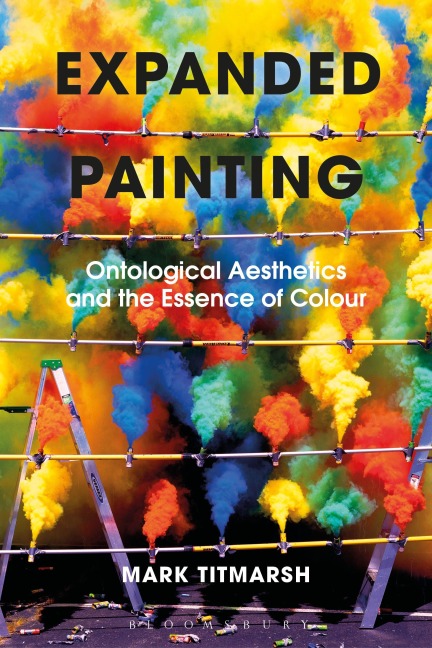
The relevance of painting has been questioned many times over the last century, by the arrival of photography, installation art and digital technologies. But rather than accept the death of painting, Mark Titmarsh traces a paradoxical interface between this art form and its opposing forces to define a new practice known as 'expanded painting' giving the term historical context, theoretical structure and an important place in contemporary practice. As the formal boundaries tumble, the being of painting expands to become a kind of total art incorporating all other media including sculpture, video and performance.
Painting is considered from three different perspectives: ethnology, art theory and ontology. From an ethnological point of view, painting is one of any number of activities that takes place within a culture. In art theory terms, painting is understood to produce objects of interest for humanities disciplines. Yet painting as a medium often challenges both its object and image status, 'expanding' and creating hybrid works between painting, objects, screen media and text. Ontologically, painting is understood as an object of aesthetic discourse that in turn reflects historical states of being. Thus, Expanded Painting delivers a new kind of saying, a post-aesthetic discourse that is attuned to an uncanny tension between the presence and absence of painting.
Mark Titmarsh is a visual artist working in painting, video and writing. He is lecturer in Interdisciplinary Studies, in the School of Design, University of Technology, Sydney, Australia. His artworks are held in the collection of the National Gallery of Australia and in private collections overseas.
preface acknowledgements Introduction: Presence of Paint 1.Painting An Ecology of Painting? Fieldworks Painting Expanded Post Aesthetics Research-Making 2. Expanded Painting The Death of Painting Cave, church, easel, other Another beginning (i) Early 20th Century avant-garde - Punching through the screen (ii) 1960s Conceptual Art and Minimalism - The Escape from Painting (iii) 1980s Neo-Conceptualism - Painting Forgotten and the Misnomer of Installation Art (iv) Recent expanded painting - Not painting Now Craftiness 3. Post Aesthetics Questioning Ontology Picturing Worlds Falls the Shadow Revelation Thinking Earth Four Earths Thinking World Absent Nature Pres-absential Strifely Assemblages Coming to Presence Ontology of Making Making Heidegger Paint Paint-Tool The Being of Becoming Thinking Making Causing Making Genres of production Producing Expanded Painting Post Aesthetics Phainesthetics Post Aesthetic Enigma Applied Post Aesthetics Applied Heidegger 4. Ontology of Colour What is Colour? Colourism Colour IS Apprehending Light The Idea of Light The Good Light The other look Moment of Vision Conclusion: The Painting of Being Paint itself The Idea of Expanded Painting In a new light Ontological Aesthetics Politics of Being Ontological Goods index