Und dann auf "Zum Home-Bildschirm [+]".

Stöbern
genialokal zum Startbildschirm hinzufügen
Installieren Sie die genialokal App auf Ihrem Startbildschirm für einen schnellen Zugriff und eine komfortable Nutzung.
Installieren Sie die genialokal App auf Ihrem Startbildschirm für einen schnellen Zugriff und eine komfortable Nutzung.
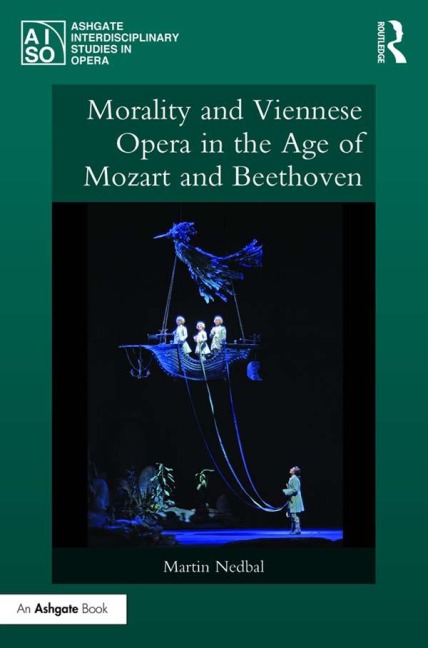
This book explores how the Enlightenment aesthetics of theater as a moral institution influenced cultural politics and operatic developments in Vienna between the mid-eighteenth and early nineteenth centuries. Moralistic viewpoints were particularly important in eighteenth-century debates about German national theater. In Vienna, the idea that vernacular theater should cultivate the moral sensibilities of its German-speaking audiences became prominent during the reign of Empress Maria Theresa, when advocates of German plays and operas attempted to deflect the imperial government from supporting exclusively French and Italian theatrical performances. Morality continued to be a dominant aspect of Viennese operatic culture in the following decades, as critics, state officials, librettists, and composers (including Gluck, Mozart, and Beethoven) attempted to establish and define German national opera. Viennese concepts of operatic didacticism and national identity in theater further transformed in response to the crisis of Emperor Joseph II's reform movement, the revolutionary ideas spreading from France, and the war efforts in facing Napoleonic aggression. The imperial government promoted good morals in theatrical performances through the institution of theater censorship, and German-opera authors cultivated intensely didactic works (such as Die Zauberflöte and Fidelio) that eventually became the cornerstones for later developments of German culture.
Martin Nedbal is Assistant Professor of Musicology at the University of Kansas. He has published numerous articles on Central European opera, particularly the works of Mozart, Beethoven, Smetana, and Dvorák. His research has been supported by grants from the American Musicological Society and the Austrian Scholarship Foundation.
List of Music Examples List of Tables Preface Introduction. Opera and Didacticism in Early-Modern German Culture Chapter 1. Cultivating the Court and the Nation in Gluck's La rencontre imprévue Chapter 2. Die Entführung aus dem Serail and the Didactic Aesthetics of the National Singspiel Chapter 3. Morality and Germanness in Die Zauberflöte Chapter 4. Die Zauberflöte and Subversive Morality in Suburban Operas Chapter 5.The Politics of Morality at the Court Theater in the Late 1790s Chapter 6. How German is Fidelio? Didacticism in Beethovenian Operas Epilogue Bibliography
Dieses eBook wird im PDF-Format geliefert und ist mit einem Adobe Kopierschutz (DRM) versehen. Sie können dieses eBook mit allen Geräten lesen, die das PDF-Format und den Adobe Kopierschutz (DRM) unterstützen.
Zum Beispiel mit den folgenden Geräten:
• tolino Reader
Laden Sie das eBook direkt über den Reader-Shop auf dem tolino herunter oder übertragen Sie das eBook auf Ihren tolino mit einer kostenlosen Software wie beispielsweise Adobe Digital Editions.
• Sony Reader & andere eBook Reader
Laden Sie das eBook direkt über den Reader-Shop herunter oder übertragen Sie das eBook mit der kostenlosen Software Sony READER FOR PC/Mac oder Adobe Digital Editions auf ein Standard-Lesegeräte mit epub- und Adobe DRM-Unterstützung.
• Tablets & Smartphones
Möchten Sie dieses eBook auf Ihrem Smartphone oder Tablet lesen, finden Sie hier unsere kostenlose Lese-App für iPhone/iPad und Android Smartphone/Tablets.
• PC & Mac
Lesen Sie das eBook direkt nach dem Herunterladen mit einer kostenlosen Lesesoftware, beispielsweise Adobe Digital Editions, Sony READER FOR PC/Mac oder direkt über Ihre eBook-Bibliothek in Ihrem Konto unter „Meine eBooks“ - „online lesen“.
Schalten Sie das eBook mit Ihrer persönlichen Adobe ID auf bis zu sechs Geräten gleichzeitig frei.
Bitte beachten Sie, dass die Kindle-Geräte das Format nicht unterstützen und dieses eBook somit nicht auf Kindle-Geräten lesbar ist.