Und dann auf "Zum Home-Bildschirm [+]".

Stöbern
genialokal zum Startbildschirm hinzufügen
Installieren Sie die genialokal App auf Ihrem Startbildschirm für einen schnellen Zugriff und eine komfortable Nutzung.
Installieren Sie die genialokal App auf Ihrem Startbildschirm für einen schnellen Zugriff und eine komfortable Nutzung.

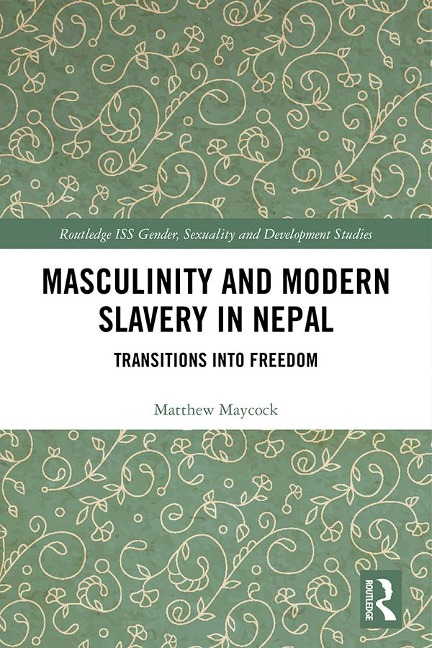
South Asia is the region with the highest number of slaves globally according to the Global Slavery Index. Bonded labour affects between 15 and 20 million labourers within the region, and is shaped by locally specific interconnections between ethnicity, class, caste and, critically, gender structures. Masculinity and Modern Slavery in Nepal explores the role of masculinity in shaping the structures and experience of slavery and subsequent freedom. While many I/NGOs and human rights organisations use freedom from slavery as a powerful and emotive goal, the lived reality of freedom for many bonded labourers often results in disappointment and frustration as they navigate diverse expectations of masculinity. Taking Nepal as a case study, the book illustrates how men's gendered experiences of bondedness and freedom can inform perspectives on the transition to freedom and modernity in South Asia more broadly. Researchers of modern slavery, gender studies, and South Asian studies will be interested in the rich analysis on offer in this book.
Matthew Maycock is a Learning and Development Researcher at the Scottish Prison Service, UK and Honorary Research Fellow at the University of Glasgow. -
List of Figures List of Tables Use of Tharu/Nepali Words and Calendar Acknowledgements List of Abbreviations Chapter 1 - Introduction Chapter 2 Bonded labour in South Asia and the Kamaiya system in Nepal Chapter 3 The setting; far-west Nepal and the two field sites Chapter 4 Bodies, consumption and health after freedom Chapter 5 Work, Education and Mobility after freedom Chapter 6 Relationships and families after freedom Chapter 7 - Conclusion Index