Und dann auf "Zum Home-Bildschirm [+]".

Stöbern
genialokal zum Startbildschirm hinzufügen
Installieren Sie die genialokal App auf Ihrem Startbildschirm für einen schnellen Zugriff und eine komfortable Nutzung.
Installieren Sie die genialokal App auf Ihrem Startbildschirm für einen schnellen Zugriff und eine komfortable Nutzung.
Ihr gewünschter Artikel ist in 0 Buchhandlungen vorrätig - wählen Sie hier eine Buchhandlung in Ihrer Nähe aus:

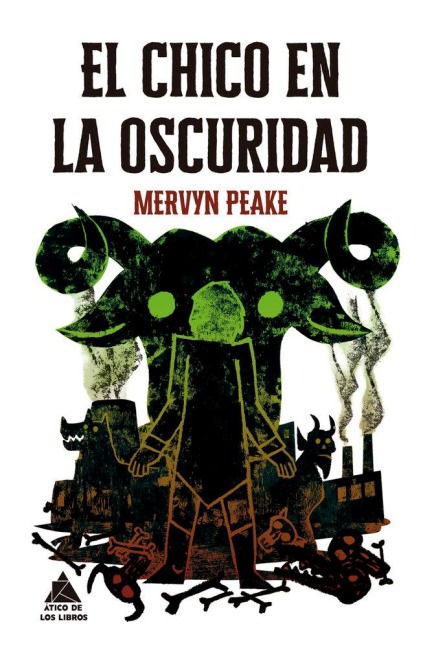
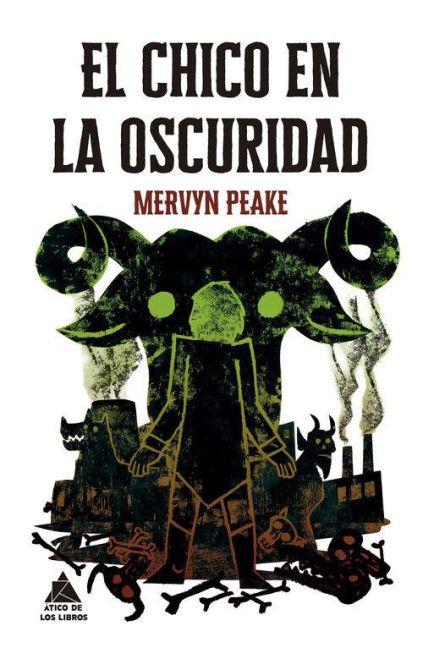
La obra inédita en castellano que amplía el mundo de GormenghastCansado de las opresivas tradiciones de su castillo, el joven Titus decide escapar en busca de la libertad. Sin embargo, su huida lo lleva a un inquietante y sombrío territorio habitado por misteriosas y peligrosas criaturas. Allí, Titus es capturado y llevado ante una bestia maligna que intenta someterlo a su voluntad.Peake construye una atmósfera cargada de simbolismo y terror, donde Titus debe enfrentarse a sus propios miedos y a su deseo de independencia, a la oscuridad que lo rodea y a enemigos inimaginables.Es la primera vez que se traduce al castellano esta obra que amplía el ciclo de Gormenghast. En estas páginas se exploran temas de identidad, poder y opresión, y aflora el estilo único y la imaginación gótica de Peake, uno de los autores más influyentes en la literatura fantástica del siglo xx, a la altura de J. R. R. Tolkien y C. S. Lewis.
Mervyn Peake (1911 - 1968) was a British writer, poet and illustrator. He is best known for the Titus books (also called the Gormenghast trilogy), which comprise Titus Groan, Gormenghast and Titus alone. The three existing works of this saga are only the beginning of what Peake conceived as a much longer cycle, which would recount the adventures of his protagonist Titus Groan throughout his life, but death surprised the author before he could finish it. The work, unfinished, is often considered, erroneously, as a trilogy. His work is also often compared to that of his contemporary J. R. R. R. Tolkien, although the surrealistic treatment of his stories is more influenced by his early admiration for Charles Dickens and Robert Louis Stevenson than Tolkien's studies of mythology.