
Stöbern
genialokal zum Startbildschirm hinzufügen
Installieren Sie die genialokal App auf Ihrem Startbildschirm für einen schnellen Zugriff und eine komfortable Nutzung.
Installieren Sie die genialokal App auf Ihrem Startbildschirm für einen schnellen Zugriff und eine komfortable Nutzung.
Tippen Sie einfach auf Teilen:
 Und dann auf "Zum Home-Bildschirm [+]".
Bei genialokal.de kaufen Sie online bei Ihrer lokalen, inhabergeführten Buchhandlung!
Ihr gewünschter Artikel ist in 0 Buchhandlungen vorrätig - wählen Sie hier eine Buchhandlung in Ihrer Nähe aus:

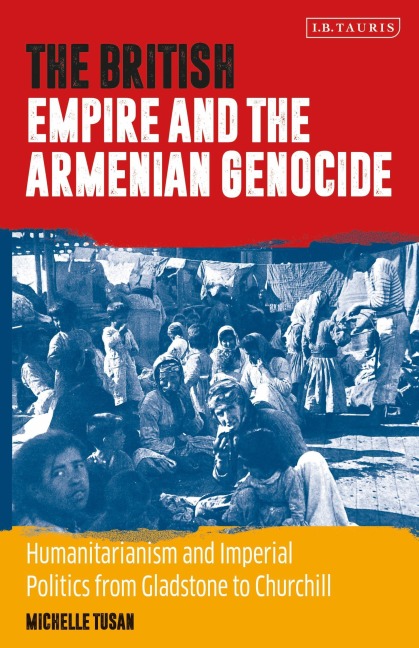
An estimated one million Armenians were killed in the dying days of the Ottoman Empire in 1915. Against the backdrop of World War I, reports of massacre, atrocity, genocide and exile sparked the largest global humanitarian response up to that date. Britain and its empire - the most powerful internationalist institutional force at the time - played a key role in determining the global response to these events. This book considers the first attempt to intervene on behalf of the victims of the massacres and to prosecute those responsible for 'crimes against humanity' using newly uncovered archival material. It looks at those who attempted to stop the violence and to prosecute the Ottoman perpetrators of the atrocities. In the process it explores why the Armenian question emerged as one of the most popular humanitarian causes in British society, capturing the imagination of philanthropists, politicians and the press. For liberals, it was seen as the embodiment of the humanitarian ideals espoused by their former leader (and four-time Prime Minister), W.E. Gladstone. For conservatives, as articulated most clearly by Winston Churchill, it proved a test case for British imperial power. In looking at the British response to the events in Anatolia, Michelle Tusan provides a new perspective on the genocide and sheds light on one of the first ever international humanitarian campaigns.
Michelle Tusan is Professor of History at the University of Nevada, Las Vegas and the author of Smyrna's Ashes: Humanitarianism, Genocide and the Birth of the Middle East. She has published widely on the history of humanitarianism and human rights.
Introduction: The Crime of Genocide Part I- Armenians and Imperial Foreign Policy Chapter 1: W.E. Gladstone's Humanitarian Crusade Chapter 2: Atrocity and Diplomacy in the Ottoman Empire Part II- Massacre Chapter 3: Hamidian Massacres and the Media Chapter 4: Revolution, Massacre and War in the Balkans Part III- Genocide Chapter 5: Genocide and the Great War Chapter 6: Saving 'the Remnant' Part IV- War Crimes Chapter 7: 'Crimes against Humanity'