Und dann auf "Zum Home-Bildschirm [+]".

Stöbern
genialokal zum Startbildschirm hinzufügen
Installieren Sie die genialokal App auf Ihrem Startbildschirm für einen schnellen Zugriff und eine komfortable Nutzung.
Installieren Sie die genialokal App auf Ihrem Startbildschirm für einen schnellen Zugriff und eine komfortable Nutzung.
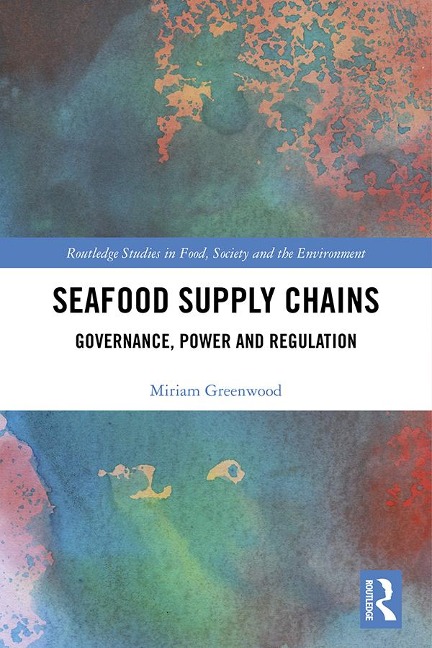
This book provides a historical and analytical account of changes in the seafood supply chain in Britain from the mid-twentieth century to the present, looking at the impact of various types of governance. The governance of marine fisheries has been a contested issue for decades with increasing anxieties about overfishing. In tandem, the rise of aquaculture, fish and shellfish farming, has driven another set of environmental concerns. In the food system, there have been scandals about safety failures and about fraud. At the same time, governments issue advice urging people to eat fish for its health benefits. In the context of these problems and contradictions, how have governments, the food industry and ordinary consumers responded? The author shows how different types of governance and regulation have been used to seek seafood sustainability and food safety and to communicate nutritional messages to the public and with what effects. The book also presents a new model for understanding food chains which combines governance and power approaches with an emphasis on understanding the interests served and the resulting balance of public and private benefits. This shows that the role of state regulation should have greater emphasis in governance and agri-food analysis and that theories about supply chain functioning, including the part played by major retailers and civil society, should be modified by a more nuanced understanding of the role of standards and certification systems. Although much of the focus is on the UK and Europe, this book provides key lessons internationally for the governance of seafood and other agri-food supply chains. The book will be of interest to students of food policy and those working in the seafood industry or studying for connected qualifications, and more widely to readers with an interest in seafood issues and problems.
Miriam Greenwood has held a number of research and senior management posts in the National Health Service (UK). She has an MSc in the Sociology of Health and Sickness from South Bank University, UK, and a PhD in Food Policy from City, University of London, UK.
1. Governance and its seafood objectives 2. Governance and change in food chains 3. Achieving sustainable supply 4. Achieving seafood safety and quality 5. Governing Consumption 6. Governance influences on retail anf foodservice 7. Conclusions
Dieses eBook wird im PDF-Format geliefert und ist mit einem Adobe Kopierschutz (DRM) versehen. Sie können dieses eBook mit allen Geräten lesen, die das PDF-Format und den Adobe Kopierschutz (DRM) unterstützen.
Zum Beispiel mit den folgenden Geräten:
• tolino Reader
Laden Sie das eBook direkt über den Reader-Shop auf dem tolino herunter oder übertragen Sie das eBook auf Ihren tolino mit einer kostenlosen Software wie beispielsweise Adobe Digital Editions.
• Sony Reader & andere eBook Reader
Laden Sie das eBook direkt über den Reader-Shop herunter oder übertragen Sie das eBook mit der kostenlosen Software Sony READER FOR PC/Mac oder Adobe Digital Editions auf ein Standard-Lesegeräte mit epub- und Adobe DRM-Unterstützung.
• Tablets & Smartphones
Möchten Sie dieses eBook auf Ihrem Smartphone oder Tablet lesen, finden Sie hier unsere kostenlose Lese-App für iPhone/iPad und Android Smartphone/Tablets.
• PC & Mac
Lesen Sie das eBook direkt nach dem Herunterladen mit einer kostenlosen Lesesoftware, beispielsweise Adobe Digital Editions, Sony READER FOR PC/Mac oder direkt über Ihre eBook-Bibliothek in Ihrem Konto unter „Meine eBooks“ - „online lesen“.
Schalten Sie das eBook mit Ihrer persönlichen Adobe ID auf bis zu sechs Geräten gleichzeitig frei.
Bitte beachten Sie, dass die Kindle-Geräte das Format nicht unterstützen und dieses eBook somit nicht auf Kindle-Geräten lesbar ist.