Stöbern
genialokal zum Startbildschirm hinzufügen
Installieren Sie die genialokal App auf Ihrem Startbildschirm für einen schnellen Zugriff und eine komfortable Nutzung.
Installieren Sie die genialokal App auf Ihrem Startbildschirm für einen schnellen Zugriff und eine komfortable Nutzung.
Tippen Sie einfach auf Teilen:
 Und dann auf "Zum Home-Bildschirm [+]".
Ihr gewünschter Artikel ist in 0 Buchhandlungen vorrätig - wählen Sie hier eine Buchhandlung in Ihrer Nähe aus:

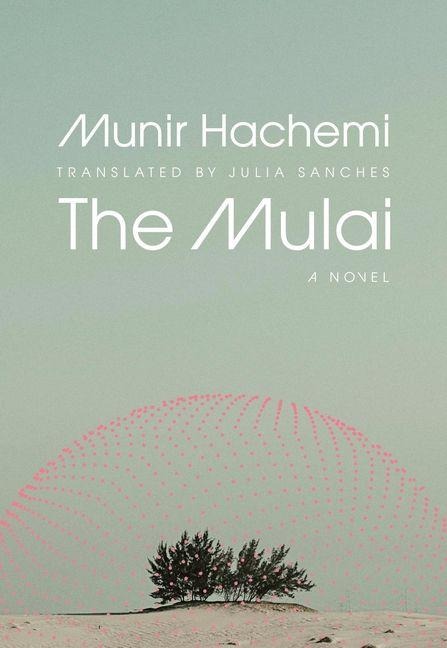
Interstellar via Invisible Cities: spec-fic translated from Spanish imagines life on another planet. An archeologist travels to a distant planet to spend time among a mysterious community: a people who live in temperature-controlled domes, worship a deity called Dog, and repeat an elliptical phrase from which they draw their name: mulai, the tree comes. The descendants of a long-forgotten space mission, the Mulai have abandoned the social norms that once bound them to Earth. Over centuries of isolation, their language has become more about change than stability, and the ways they eat, write, reproduce, bury their dead, and understand gender have all transformed into something almost unrecognizable. As the archeologist records his attempts to understand their world - a strange negative of our own - questions of translation, meaning-making, and the ultimate precarity of civilization come to the fore. Drawing on Borges, Le Guin, and Calvino, The Mulai is a mind-bending work of metafiction whose interlocking puzzles resound with Munir Hachemi's singularly playful and eclectic style.
Munir Hachemi's career as a writer began with them selling their stories in the form of fanzines in the bars of the Lavapiés neighbourhood of Madrid. They are the author of Cosas vivas (2018, translated as Living Things, 2024) and El árbol viene (2023, translated as The Mulai, 2026), and are also a translator from Chinese and English. In 2021, they appeared on Granta's Best of Young Spanish-Language Novelists list. Julia Sanches is a literary translator working from Portuguese, Spanish, and Catalan. Born in Brazil, she currently resides in the United States.