Und dann auf "Zum Home-Bildschirm [+]".

Stöbern
genialokal zum Startbildschirm hinzufügen
Installieren Sie die genialokal App auf Ihrem Startbildschirm für einen schnellen Zugriff und eine komfortable Nutzung.
Installieren Sie die genialokal App auf Ihrem Startbildschirm für einen schnellen Zugriff und eine komfortable Nutzung.
Ihr gewünschter Artikel ist in 0 Buchhandlungen vorrätig - wählen Sie hier eine Buchhandlung in Ihrer Nähe aus:

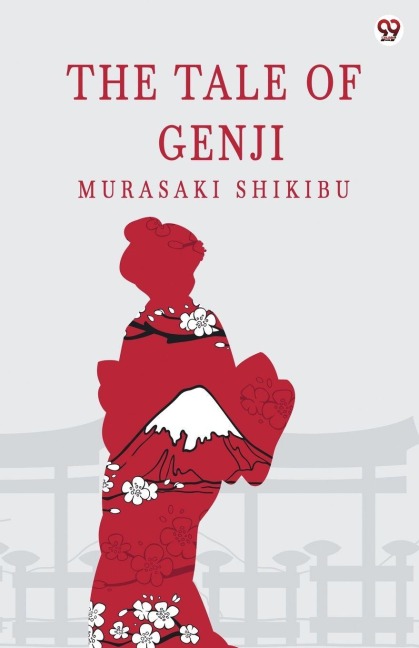
The Tale of Genji is a classical Japanese novel written in the early 11th century. This work explores the intricacies of court life, personal desire, and the fleeting nature of human relationships through the experiences of its central figure, a nobleman known for his charm and refined sensibilities. The narrative captures the delicate balance between duty and passion, illustrating the beauty and sorrow that accompany love and ambition within the rigid constraints of aristocratic society. At the beginning of the novel, the emperor's favored consort gives birth to a son whose status is both elevated and precarious due to courtly jealousies. As he grows, his remarkable beauty and intelligence make him an object of admiration and scrutiny. His journey unfolds as he navigates personal and political entanglements, his pursuits of love intertwined with the cultural aesthetics of poetry, music, and nature. The story reflects on the impermanence of human emotions and relationships, setting the stage for an exploration of longing, loss, and the search for meaning within the transient world of the Heian court.
Murasaki Shikibu was a Japanese writer, poet, and lady-in-waiting during the Heian period. She was born around 973 into the northern Fujiwara clan, a family with literary prestige but diminished political influence. Her father, Fujiwara no Tametoki, was a scholar and minor official, and her mother came from the same noble lineage. Although women were traditionally barred from studying Chinese, the scholarly language of government, Murasaki exhibited a strong aptitude for it and learned despite societal restrictions. She married in her mid-to-late twenties and had a daughter, Daini no Sanmi, before her husband's early death. Likely beginning The Tale of Genji during or shortly after her marriage, she gained recognition for her literary talent, leading to an invitation to serve as a lady-in-waiting to Empress Shoshi around 1005. She continued writing while at court, weaving courtly life into her work. After several years, she retired with the empress to the Lake Biwa region. Scholars dispute her death date, with estimates ranging from 1014 to 1025. Besides Genji, she wrote The Diary of Lady Murasaki and poetry, leaving a lasting influence on Japanese literature and courtly culture.