Und dann auf "Zum Home-Bildschirm [+]".

Stöbern
genialokal zum Startbildschirm hinzufügen
Installieren Sie die genialokal App auf Ihrem Startbildschirm für einen schnellen Zugriff und eine komfortable Nutzung.
Installieren Sie die genialokal App auf Ihrem Startbildschirm für einen schnellen Zugriff und eine komfortable Nutzung.
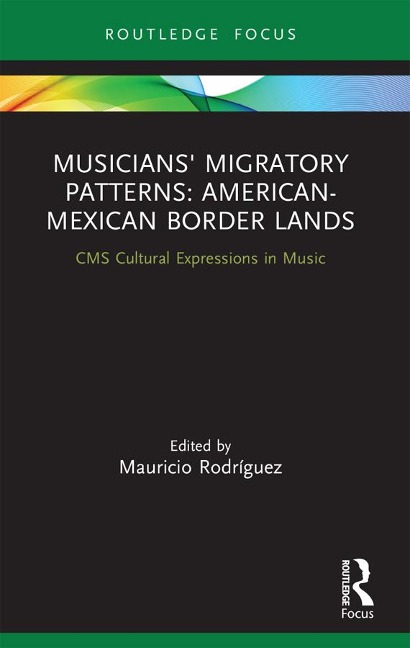
Musicians' Migratory Patterns: American-Mexican Border Lands considers the works and ideologies of an array of American-based, immigrant Mexican musicians. It asserts their immigrant status as a central force in nourishing, informing, and propelling musical and artistic concerns, uncovering pure and fresh forms of expression that broaden the multicultural map of Mexico. The text guides readers in appreciation of the aesthetic and technical achievements of original works and innovative performances, with artistic and pedagogical implications that frame a vivid picture of the contemporary Mexican as immigrant creator in the United States. The ongoing displacement of Mexicans into the United States impacts not only American economic conditions but the country's social, cultural, and intellectual configurations as well. Artistic and academic voices shape and enrich the multicultural diversity of both countries, as immigrant Mexican artists and their musics prove instrumental to the forming of a self-critical society compelled to value and embrace its diversity. Despite conflicting political reactions on this complex subject of legal and illegal immigration, undeniable is the influence of Mexican musical expressions in the United States and Mexico, at the border and beyond.
Mauricio Rodríguez has taught at American universities and also in Spain. He is an artistic fellow of the National Endowment for the Arts of Mexico.
Preface / Acknowledgements / Chapter 1: Sound Through the Looking Glass: An Approach to the Dimensional Sonology on the Tijuana-San Diego Border (Álvaro G. Díaz Rodríguez) / Chapter 2: Network Platforms, Electronic Scenes, and Cultural Activism at the Tijuana-San Diego Border: The Performance of Border Critical Thinking in Young Artistic Movements in the Early 21st Century (Rossana Lara Velázquez) / Chapter 3: Sonic Borders of Self: A Trajectory (Wilfrido Terrazas) / Chapter 4: P/T: Ensenada and Experimentalist Musical Practice: Narrations in Place and Time (Teresa Díaz de Cossio and Paul N. Roth) / Chapter 5: Sound Migration: Repatriation of Mexican Piano Music: A Case Study on Three Short Piano Pieces by Samuel Zyman (Turcios Ruiz) / Chapter 6: Borderline Crossings: The New Mexican Orchestra (Mauricio Rodríguez) / List of Contributors / Index
Dieses eBook wird im PDF-Format geliefert und ist mit einem Adobe Kopierschutz (DRM) versehen. Sie können dieses eBook mit allen Geräten lesen, die das PDF-Format und den Adobe Kopierschutz (DRM) unterstützen.
Zum Beispiel mit den folgenden Geräten:
• tolino Reader
Laden Sie das eBook direkt über den Reader-Shop auf dem tolino herunter oder übertragen Sie das eBook auf Ihren tolino mit einer kostenlosen Software wie beispielsweise Adobe Digital Editions.
• Sony Reader & andere eBook Reader
Laden Sie das eBook direkt über den Reader-Shop herunter oder übertragen Sie das eBook mit der kostenlosen Software Sony READER FOR PC/Mac oder Adobe Digital Editions auf ein Standard-Lesegeräte mit epub- und Adobe DRM-Unterstützung.
• Tablets & Smartphones
Möchten Sie dieses eBook auf Ihrem Smartphone oder Tablet lesen, finden Sie hier unsere kostenlose Lese-App für iPhone/iPad und Android Smartphone/Tablets.
• PC & Mac
Lesen Sie das eBook direkt nach dem Herunterladen mit einer kostenlosen Lesesoftware, beispielsweise Adobe Digital Editions, Sony READER FOR PC/Mac oder direkt über Ihre eBook-Bibliothek in Ihrem Konto unter „Meine eBooks“ - „online lesen“.
Schalten Sie das eBook mit Ihrer persönlichen Adobe ID auf bis zu sechs Geräten gleichzeitig frei.
Bitte beachten Sie, dass die Kindle-Geräte das Format nicht unterstützen und dieses eBook somit nicht auf Kindle-Geräten lesbar ist.