Und dann auf "Zum Home-Bildschirm [+]".

Stöbern
genialokal zum Startbildschirm hinzufügen
Installieren Sie die genialokal App auf Ihrem Startbildschirm für einen schnellen Zugriff und eine komfortable Nutzung.
Installieren Sie die genialokal App auf Ihrem Startbildschirm für einen schnellen Zugriff und eine komfortable Nutzung.
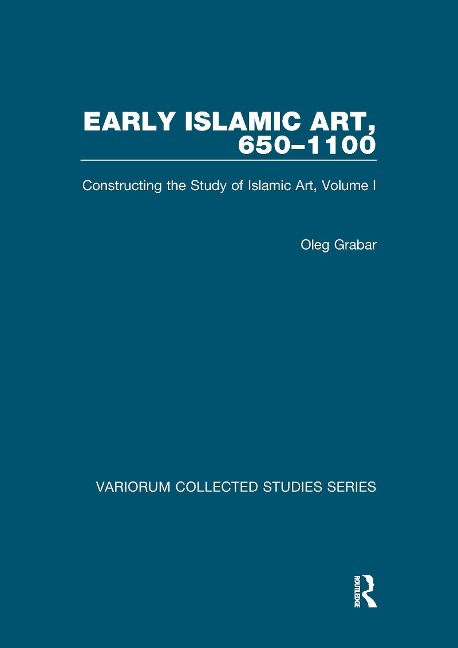
Early Islamic Art, 650-1100 is the first in a set of four volumes of studies by Oleg Grabar. Between them they bring together more than eighty articles, studies and essays, work spanning half a century. Each volume takes a particular section of the topic, the three subsequent volumes being entitled: Islamic Visual Culture, 1100-1800; Islamic Art and Beyond; and Jerusalem. Reflecting the many incidents of a long academic life, they illustrate one scholar's attempt at making order and sense of 1400 years of artistic growth. They deal with architecture, painting, objects, iconography, theories of art, aesthetics and ornament, and they seek to integrate our knowledge of Islamic art with Islamic culture and history as well as with the global concerns of the History of Art. In addition to the articles selected, each volume contains an introduction which describes, often in highly personal ways, the context in which Grabar's scholarship developed and the people who directed and mentored his efforts. The present volume concentrates primarily on documents provided by archaeology understood in its widest sense, and including the study of texts with reference to monuments or to the contexts of these monuments. The articles included represent major contributions to the understanding of the formative centuries of Islamic art, focusing on the Umayyad (661-750) and Fatimid (969-1171) dynasties in Greater Syria and in Egypt, and on the Mediterranean or Iranian antecedents of early Islamic art. Historical, cultural, and religious themes, including the role of court ceremonies, the growth of cities, and the importance of the Qur'an, are introduced to help explain how a new art was formed in the central lands of the Near East and how its language can be retrieved from visual or written sources.
Oleg Grabar is Professor Emeritus in the School of Historical Studies at the Institute for Advanced Study, Princeton, USA, and Aga Khan Professor Emeritus of Islamic Art and Architecture at Harvard University, USA.
Contents: Preface; Introduction. Part I Origins and Context: Islamic art and Byzantium; Islam and iconoclasm; Upon reading al-Azraqi; The iconography of Islamic architecture; Art and architecture and the Qur'an. Part 2 Secular Culture under the Umayyads: Sondages à Khirbat el-Minyeh; Umayyad 'Palace' and the 'Abbasid Revolution'; Notes sur les cérémonies Umayyades; The date and meaning of Mshatta; La place de Qusayr 'Amrah dans l'art profane du Haut Moyen Age; L'art Omeyyade en Syrie, source de l'art islamique; Umayyad palaces reconsidered. Part 3 Fatimid Egypt and the Muslim West: Imperial and urban art in Islam: the subject-matter of Fatimid art; Fatimid art, precursor or culmination; Notes sur le mihrab de la Grande Mosquée de Cordoue; Two paradoxes in the Islamic art of the Spanish peninsula; Qu'est-ce que l'art Fatimide. Part 4 The Muslim East: Sarvistan: a note on Sasanian places; Notes on the decorative composition of a bowl from northeastern Iran; A 10th-century source for architecture. Index.
Dieses eBook wird im PDF-Format geliefert und ist mit einem Adobe Kopierschutz (DRM) versehen. Sie können dieses eBook mit allen Geräten lesen, die das PDF-Format und den Adobe Kopierschutz (DRM) unterstützen.
Zum Beispiel mit den folgenden Geräten:
• tolino Reader
Laden Sie das eBook direkt über den Reader-Shop auf dem tolino herunter oder übertragen Sie das eBook auf Ihren tolino mit einer kostenlosen Software wie beispielsweise Adobe Digital Editions.
• Sony Reader & andere eBook Reader
Laden Sie das eBook direkt über den Reader-Shop herunter oder übertragen Sie das eBook mit der kostenlosen Software Sony READER FOR PC/Mac oder Adobe Digital Editions auf ein Standard-Lesegeräte mit epub- und Adobe DRM-Unterstützung.
• Tablets & Smartphones
Möchten Sie dieses eBook auf Ihrem Smartphone oder Tablet lesen, finden Sie hier unsere kostenlose Lese-App für iPhone/iPad und Android Smartphone/Tablets.
• PC & Mac
Lesen Sie das eBook direkt nach dem Herunterladen mit einer kostenlosen Lesesoftware, beispielsweise Adobe Digital Editions, Sony READER FOR PC/Mac oder direkt über Ihre eBook-Bibliothek in Ihrem Konto unter „Meine eBooks“ - „online lesen“.
Schalten Sie das eBook mit Ihrer persönlichen Adobe ID auf bis zu sechs Geräten gleichzeitig frei.
Bitte beachten Sie, dass die Kindle-Geräte das Format nicht unterstützen und dieses eBook somit nicht auf Kindle-Geräten lesbar ist.