
Stöbern
genialokal zum Startbildschirm hinzufügen
Installieren Sie die genialokal App auf Ihrem Startbildschirm für einen schnellen Zugriff und eine komfortable Nutzung.
Installieren Sie die genialokal App auf Ihrem Startbildschirm für einen schnellen Zugriff und eine komfortable Nutzung.
Tippen Sie einfach auf Teilen:
 Und dann auf "Zum Home-Bildschirm [+]".
Bei genialokal.de kaufen Sie online bei Ihrer lokalen, inhabergeführten Buchhandlung!
Ihr gewünschter Artikel ist in 0 Buchhandlungen vorrätig - wählen Sie hier eine Buchhandlung in Ihrer Nähe aus:

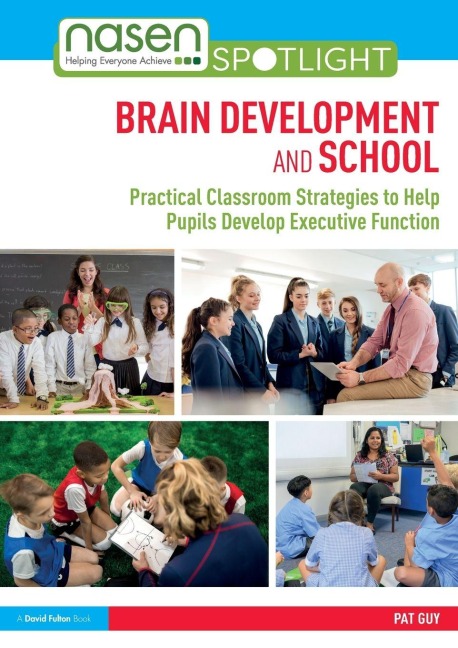
Brain Development and School offers a range of practical classroom strategies to help pupils develop their executive function. Packed with useful tips that are grounded in theory, it examines how to support aspects of children's executive functioning that can affect their school life; including self-control, memory, metacognition, organisation, motivation, self-regulation and focus.
Relevant for pupils in the primary and secondary school, the book focuses on ways of improving children's emotional and intellectual development. It includes:
Discussion of what executive functioning is and the different factors that might affect a child's executive functioning
Ways that executive functioning weaknesses show themselves in school
Support strategies for teachers and advice for pupils to improve specific areas of executive functioning
Manageable solutions and modifications that can be applied within the mainstream classroom
A self-assessment questionnaire that can be used as a starting point for discussion with pupils
This book will be beneficial to all teachers, school leaders and SENCOs looking to support their pupils by identifying and understanding the root causes of their behaviour. It recognises the important role that schools play in pupils' neurological development and suggests ways for schools to provide more personalised, differentiated support for individual pupils.
Pat Guy teaches in Eton College's Learning Centre, UK, and is a Specialist Member sitting on SENDIST Tribunals at HM Courts. She is the author of Keeping Minds Happy and Healthy and Transforming Reading Skills in the Secondary School with Routledge.
1. What is Executive Functioning? 2. Who is at risk and why 3. Action: an individual's ability to monitor and regulate their activity 4. Activation: the organisation of tasks 5. Effort: the pupil's ability to regulate and sustain their effort and motivation 6. Emotion: managing frustration and modulating feelings 7. Focus: finding, sustaining, and shifting attention as required 8. Memory: using working memory and accessing recall 9. Child development: formal learning, play, risk taking and physical exercise 10. Self-assessment questionnaire