Und dann auf "Zum Home-Bildschirm [+]".

Stöbern
genialokal zum Startbildschirm hinzufügen
Installieren Sie die genialokal App auf Ihrem Startbildschirm für einen schnellen Zugriff und eine komfortable Nutzung.
Installieren Sie die genialokal App auf Ihrem Startbildschirm für einen schnellen Zugriff und eine komfortable Nutzung.
Ihr gewünschter Artikel ist in 0 Buchhandlungen vorrätig - wählen Sie hier eine Buchhandlung in Ihrer Nähe aus:

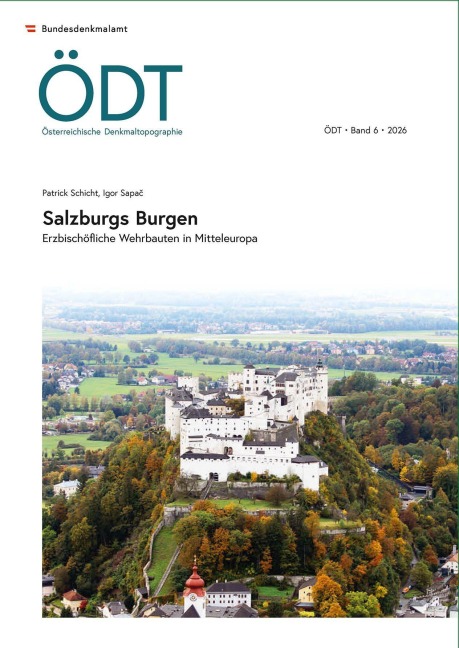
From the Middle Ages until its dissolution in 1803, the Archdiocese of Salzburg was an independent ecclesiastical principality spanning many centuries; its territories-rapidly expanded through donations and acquisitions-encompassed not only the modern-day federal state of Salzburg but also parts of Bavaria, western, southern, and eastern Austria, and Slovenia. Throughout these regions, imposing castles were erected and continuously expanded, serving both as defenses against powerful neighbors and as hubs for developing and administering the surrounding areas. Together with three directly subordinate bishoprics and a vast retinue of retainers, the archdiocese established over 200 castles as well as numerous fortified towns and market settlements; while these sites were frequently tested by attacks and sieges, in times of peace they also served as venues for magnificent displays of status. Drawing on an extensive international inventory, this book presents, for the first time, a coherent account of the evolution of Salzburg's defensive architecture. Distinctive architectural styles associated with individual archbishops emerge, incorporating the latest innovations in art, military engineering, and organization-styles that themselves became models for architecture across the region. These structures featured lavish frescoes, high-quality architectural sculpture, and intricate woodcarvings, alongside numerous coats of arms and inscriptions that attest to the work of highly organized building guilds. Through the close collaboration of craftsmen active on contemporary church construction sites, unique architectural masterpieces were created; the histories of these castles vividly document the story of Salzburg and the entire Eastern Alpine region. This book synthesizes current historical and architectural-archaeological knowledge, serving as an international inventory of Salzburg's defensive architectural heritage.