Und dann auf "Zum Home-Bildschirm [+]".

Stöbern
genialokal zum Startbildschirm hinzufügen
Installieren Sie die genialokal App auf Ihrem Startbildschirm für einen schnellen Zugriff und eine komfortable Nutzung.
Installieren Sie die genialokal App auf Ihrem Startbildschirm für einen schnellen Zugriff und eine komfortable Nutzung.

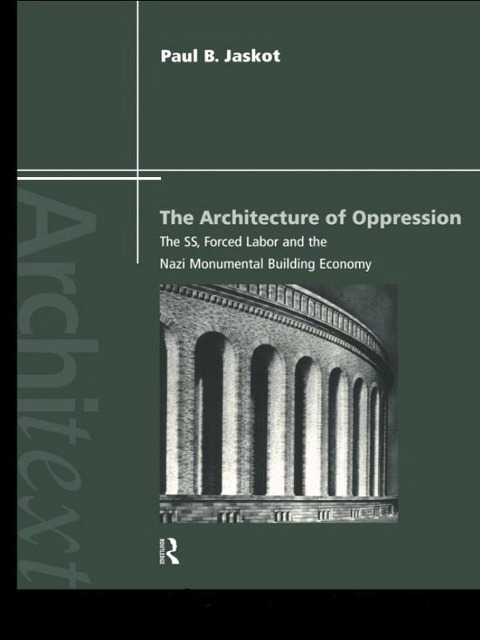
This book re-evaluates the architectural history of Nazi Germany and looks at the development of the forced-labour concentration camp system. Through an analysis of such major Nazi building projects as the Nuremberg Party Rally Grounds and the rebuilding of Berlin, Jaskot ties together the development of the German building economy, state architectural goals and the rise of the SS as a political and economic force. As a result, The Architecture of Oppression contributes to our understanding of the conjunction of culture and politics in the Nazi period as well as the agency of architects and SS administrators in enabling this process.
Paul B. Jaskot is Assistant Professor in the department of Art and Art History at DePaul University in Chicago. His work focuses on the relationship between culture and politics in modern European Art and Architecture.
List of Illustrations. Acknowledgments. Abbreviations. 1. Introduction: The Architectural Policy of the SS. 2. The Interest of the SS in the Monumental Building Economy. 3. The Party Rally Grounds at Nuremberg: SS Economic Goals and National Socialist Architectural Policy. 4. The Rebuilding of Berlin: The Interdependence of the GBI and the SS. 5. The Political Function of SS Architecture.6.Conclusion. Notes. Bibliography. Index.