Und dann auf "Zum Home-Bildschirm [+]".

Stöbern
genialokal zum Startbildschirm hinzufügen
Installieren Sie die genialokal App auf Ihrem Startbildschirm für einen schnellen Zugriff und eine komfortable Nutzung.
Installieren Sie die genialokal App auf Ihrem Startbildschirm für einen schnellen Zugriff und eine komfortable Nutzung.
Ihr gewünschter Artikel ist in 0 Buchhandlungen vorrätig - wählen Sie hier eine Buchhandlung in Ihrer Nähe aus:

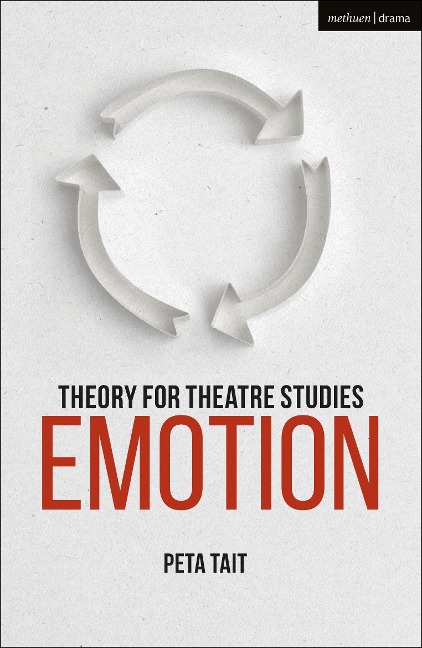
Theory for Theatre Studies: Emotion explores how emotion is communicated in drama, theatre, and contemporary performance and therefore in society. From Aristotle and Shakespeare to Stanislavski, Brecht and Caryl Churchill, theatre reveals and, informs but also warns about the emotions. The term 'emotion' encompasses the emotions, emotional feelings, affect and mood, and the book explores how these concepts are embodied and experienced within theatrical practice and explained in theory. Since emotion is artistically staged, its composition and impact can be described and analysed in relation to interdisciplinary approaches. Readers are encouraged to consider how emotion is dramatically, aurally, and visually developed to create innovative performance. Case studies include: Medea, Twelfth Night, The Caucasian Chalk Circle, Ibsen's A Doll's House, and performances by Mabou Mines, Robert Lepage, Rimini Protokoll, Anna Deavere Smith, Socìetas Raffaello Sanzio, Marina Abramovic, and The Wooster Group. By way of these detailed case studies, readers will appreciate new methodologies and approaches for their own exploration of 'emotion' as a performance component. Online resources to accompany this book are available at https://www.bloomsbury.com/theory-for-theatre-studies-emotion-9781350030848/.
Peta Tait
Acknowledgements Series Preface Introduction: Approach and Concepts The Emotions Emotional Feelings Affect and its Theory Mood Cultural Complexities and Empathy Section one: Legacies and Case Studies Aristotle on tragic pity and Euripides' Medea Shakespeare's comic lovers: Performing the Passions The actor's paradox: eighteenth- and nineteenth-century staging Stanislavski's Emotion Memory and realist theatre Controversial psychologies in Method Acting Brecht's separations: theatre for a scientific age Brecht's political emotions: The Caucasian Chalk Circle Emotional practice from Forum Theatre to Rasaboxes Section two: Affect and Case Studies Emotional feeling to affect in A Doll's House Affect and technology: live art and spectacle Real identities and political affect Empathy enabled: Empathy Museum to Back to Back Suffering in Jane Harrison's Stolen Feeling sound and images: Robert Lepages's Needles and Opium and 887 Section three: Mood and Case Studies Mysterious aesthetic Audience expectations and The Lion King Ambience from Socìetas Raffaello Sanzio Music functions and Rimini Protokoll's Brain Projects 00 Economic mood dis/orders: Alladeen to Dear Evan Hansen Immoral objects and The Wooster Group Share economies and Marina Abramovic Collaborative eco-moods Anticipation Conclusion: Intensity References Index