Und dann auf "Zum Home-Bildschirm [+]".

Stöbern
genialokal zum Startbildschirm hinzufügen
Installieren Sie die genialokal App auf Ihrem Startbildschirm für einen schnellen Zugriff und eine komfortable Nutzung.
Installieren Sie die genialokal App auf Ihrem Startbildschirm für einen schnellen Zugriff und eine komfortable Nutzung.

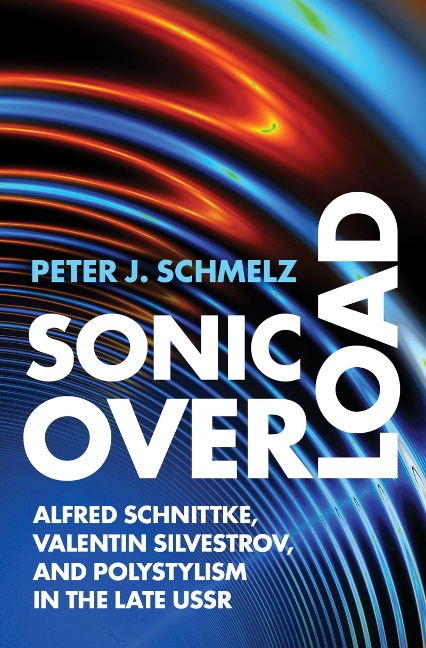
Sonic Overload offers a new, music-centered cultural history of the late Soviet Union. It focuses on polystylism in music as a response to the information overload swamping listeners in the Soviet Union during its final decades. It traces the ways in which leading composers Alfred Schnittke and Valentin Silvestrov initially embraced popular sources before ultimately rejecting them. Polystylism first responded to the utopian impulses of Soviet ideology with utopian impulses to encompass all musical styles, from "high" to "low". But these initial all-embracing aspirations were soon followed by retreats to alternate utopias founded on carefully selecting satisfactory borrowings, as familiar hierarchies of culture, taste, and class reasserted themselves. Looking at polystylism in the late USSR tells us about past and present, near and far, as it probes the musical roots of the overloaded, distracted present. Based on archival research, oral historical interviews, and other overlooked primary materials, as well as close listening and thorough examination of scores and recordings, Sonic Overload presents a multilayered and comprehensive portrait of late-Soviet polystylism and cultural life, and of the music of Silvestrov and Schnittke. Sonic Overload is intended for musicologists and Soviet, Russian, and Ukrainian specialists in history, the arts, film, and literature, as well as readers interested in twentieth- and twenty-first century music; modernism and postmodernism; quotation and collage; the intersections of "high" and "low" cultures; and politics and the arts.
Peter J. Schmelz is Professor of Musicology at Arizona State University, and author of Alfred Schnittkeâs Concerto Grosso No. 1 (OUP, 2019) and Such Freedom, If Only Musical: Unofficial Soviet Music During the Thaw (OUP, 2009)
A Note on Transliterations and Translations Abbreviations Introduction Part 1. Origins 1. The Soviet Culture of Collage 2. Schnittke's Path to Polystylism 3. Silvestrov the Centaur and Polystylism in the 1970s Part 2. Embracing Polystylism 4. Kitsch 5. Popular Music, the Devil, and Aerobics 6. The Collage Wave Crests Part 3. Rejecting Polystylism 7. Eschatology 8. Ghosts and Shadow Sounds 9. The Collage Wave Breaks: Late Thinking, Idiots, a Final Waltz 10. Legacies of Polystylistic Tendencies (Today, Tomorrow, Yesterday) Conclusion. Genre, Style, Oblivion Appendices Bibliography Index