Und dann auf "Zum Home-Bildschirm [+]".

Stöbern
genialokal zum Startbildschirm hinzufügen
Installieren Sie die genialokal App auf Ihrem Startbildschirm für einen schnellen Zugriff und eine komfortable Nutzung.
Installieren Sie die genialokal App auf Ihrem Startbildschirm für einen schnellen Zugriff und eine komfortable Nutzung.
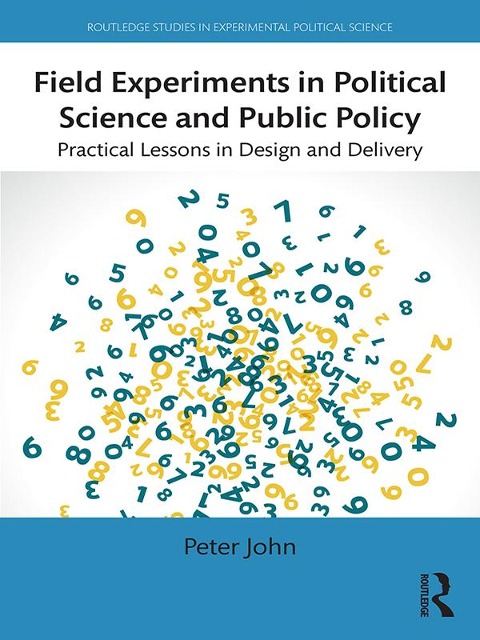
Field experiments -- randomized controlled trials -- have become ever more popular in political science, as well as in other disciplines, such as economics, social policy and development. Policy-makers have also increasingly used randomization to evaluate public policies, designing trials of tax reminders, welfare policies and international aid programs to name just a few of the interventions tested in this way. Field experiments have become successful because they assess causal claims in ways that other methods of evaluation find hard to emulate. Social scientists and evaluators have rediscovered how to design and analyze field experiments, but they have paid much less attention to the challenges of organizing and managing them. Field experiments pose unique challenges and opportunities for the researcher and evaluator which come from working in the field. The research experience can be challenging and at times hard to predict. This book aims to help researchers and evaluators plan and manage their field experiments so they can avoid common pitfalls. It is also intended to open up discussion about the context and backdrop to trials so that these practical aspects of field experiments are better understood. The book sets out ten steps researchers can use to plan their field experiments, then nine threats to watch out for when they implement them. There are cases studies of voting and political participation, elites, welfare and employment, nudging citizens, and developing countries.
Peter John is Professor of Political Science and Public Policy in the Department of Political Science, University College London. He is an expert in the study of public policy, and has pioneered the use of experiments in the study of civic participation in the UK.
Chapter One: Experimentation in the Field: Opportunities and Constraints Chapter Two: Essential Steps for the Design of Field Experiments Chapter Three: Implementing Field Experiments Chapter Four: A Brief History of Field Experimentation Chapter Five: Experiments on Voting and Political Participation Chapter Six: Experiments on Elites Chapter Seven: Experiments in Welfare and Employment Chapter Eight: Nudging Citizens Chapter Nine: Field Experiments in Developing Countries Chapter Ten: Conclusion
Dieses eBook wird im PDF-Format geliefert und ist mit einem Adobe Kopierschutz (DRM) versehen. Sie können dieses eBook mit allen Geräten lesen, die das PDF-Format und den Adobe Kopierschutz (DRM) unterstützen.
Zum Beispiel mit den folgenden Geräten:
• tolino Reader
Laden Sie das eBook direkt über den Reader-Shop auf dem tolino herunter oder übertragen Sie das eBook auf Ihren tolino mit einer kostenlosen Software wie beispielsweise Adobe Digital Editions.
• Sony Reader & andere eBook Reader
Laden Sie das eBook direkt über den Reader-Shop herunter oder übertragen Sie das eBook mit der kostenlosen Software Sony READER FOR PC/Mac oder Adobe Digital Editions auf ein Standard-Lesegeräte mit epub- und Adobe DRM-Unterstützung.
• Tablets & Smartphones
Möchten Sie dieses eBook auf Ihrem Smartphone oder Tablet lesen, finden Sie hier unsere kostenlose Lese-App für iPhone/iPad und Android Smartphone/Tablets.
• PC & Mac
Lesen Sie das eBook direkt nach dem Herunterladen mit einer kostenlosen Lesesoftware, beispielsweise Adobe Digital Editions, Sony READER FOR PC/Mac oder direkt über Ihre eBook-Bibliothek in Ihrem Konto unter „Meine eBooks“ - „online lesen“.
Schalten Sie das eBook mit Ihrer persönlichen Adobe ID auf bis zu sechs Geräten gleichzeitig frei.
Bitte beachten Sie, dass die Kindle-Geräte das Format nicht unterstützen und dieses eBook somit nicht auf Kindle-Geräten lesbar ist.