Stöbern
genialokal zum Startbildschirm hinzufügen
Installieren Sie die genialokal App auf Ihrem Startbildschirm für einen schnellen Zugriff und eine komfortable Nutzung.
Installieren Sie die genialokal App auf Ihrem Startbildschirm für einen schnellen Zugriff und eine komfortable Nutzung.
Tippen Sie einfach auf Teilen:
 Und dann auf "Zum Home-Bildschirm [+]".
Ihr gewünschter Artikel ist in 0 Buchhandlungen vorrätig - wählen Sie hier eine Buchhandlung in Ihrer Nähe aus:

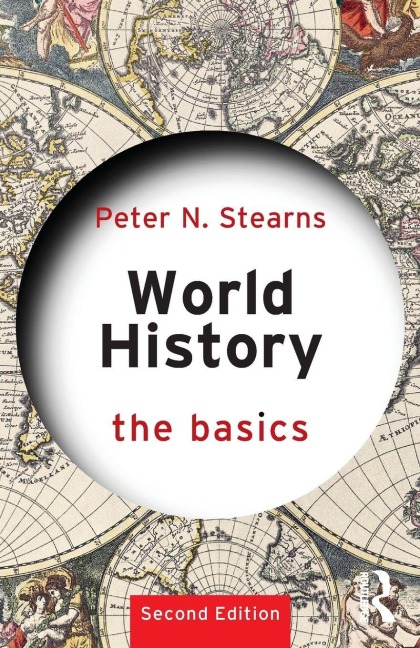
World history continues to evolve as one of the most popular and widely discussed approaches to the study of history. The second edition of World History: The Basics offers an updated introduction of this fast-growing field, addressing key questions such as: - What is world history? - How do we study a subject with such a broad geographic and chronological range? - Why has world history been controversial? This new edition integrates both US and global perspectives, including up to date historiographical analysis and coverage of developments around the world since the first edition was published. The volume also addresses the challenge of considering Big History along with attention to major regional civilizations. Authored by one of the field's pioneers, the book explores key topics such as time, place, interactions, themes, and more. Serving as both an excellent introduction to world history and a significant commentary on the past, present, and future of the discipline, this volume is an essential resource for understanding the field.
Peter N. Stearns is Distinguished University Professor Emeritus at George Mason University. He is series editor for Routledge's Themes in World History and founder and editor of the Journal of Social History.
1. What and Why Is World History? 2. A World History Skeleton: One Possible Framework 3. Habits of Mind in World History 4. Managing Time: Choosing and Evaluating World History Periods 5. Managing Place: Choosing and Evaluating World History Regions 6. The West as Problem 7. Contacts and the Structure of World History 8. Topics in World History 9. Disputes in World History 10. World History in the Contemporary Era