Und dann auf "Zum Home-Bildschirm [+]".

Stöbern
genialokal zum Startbildschirm hinzufügen
Installieren Sie die genialokal App auf Ihrem Startbildschirm für einen schnellen Zugriff und eine komfortable Nutzung.
Installieren Sie die genialokal App auf Ihrem Startbildschirm für einen schnellen Zugriff und eine komfortable Nutzung.

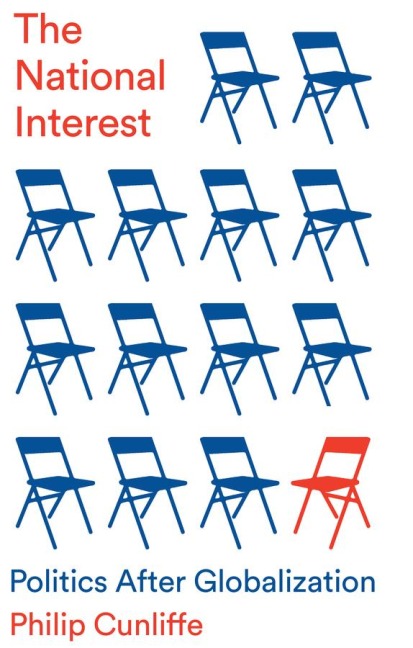
Globalization is over. With US president Donald Trump pursuing an 'America First' agenda in trade and foreign policy, everyone now recognises the urgency of defending their own country's national interest. But what is the national interest and why did it disappear from the political agenda? Will Trump restore American national interests, or will he betray them? How might we know the difference? The National Interest answers these questions. It explains how and why globalist political leaders and bureaucrats abandoned the national interest over the past thirty years. Even today, many of our elites still sneer at the concept as an anachronism in an age of global environmental collapse and 'polycrisis'. But without it, there can be no political representation, and without representation there can be no democratic accountability. The national interest can be revived as part of a strategy of nation-building and national rebirth. This book makes the case for such a revival, heralding a new era of democratic renewal and international cooperation.
Philip Cunliffe is Associate Professor of International Relations at the Department of Risk and Disaster Reduction, University College London. He has authored seven books including Taking Control: Sovereignty and Democracy After Brexit (2023) co-written with George Hoare, Lee Jones and Peter Ramsay. He has taught international relations at the university level for 14 years. He contributes regularly to public debate on questions of national politics and international order and can be found @thephilippics on X.
Preface Acknowledgements Introduction
1. What Happened to the National Interest?
2. The Theory of the National Interest
3. The History of the National Interest
4. The Nation: A Story of Abandonment
5. The Need for a New National Interest Epilogue Notes