Stöbern
genialokal zum Startbildschirm hinzufügen
Installieren Sie die genialokal App auf Ihrem Startbildschirm für einen schnellen Zugriff und eine komfortable Nutzung.
Installieren Sie die genialokal App auf Ihrem Startbildschirm für einen schnellen Zugriff und eine komfortable Nutzung.
Tippen Sie einfach auf Teilen:
 Und dann auf "Zum Home-Bildschirm [+]".
Ihr gewünschter Artikel ist in 0 Buchhandlungen vorrätig - wählen Sie hier eine Buchhandlung in Ihrer Nähe aus:

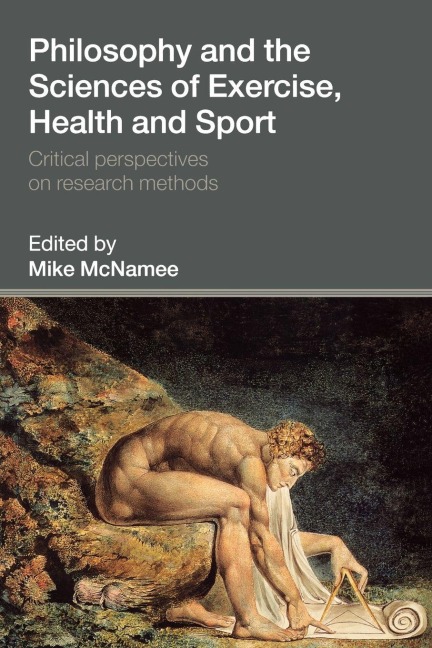
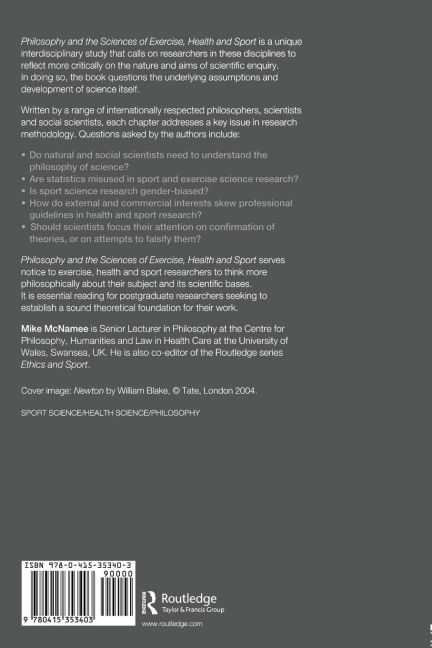
Should we trust scientific research? Do 'the facts' really speak for themselves? Philosophy and the Sciences of Exercise, Health and Sport critically reflects on the nature and aims of scientific enquiry in these disciplines. The book addresses the underlying assumptions and development of both the very idea of science itself and what shape scientific enquiries ought to take in the fields of exercise, health and sport. Written by a range of prestigious and internationally respected philosophers, scientists and social scientists, each chapter addresses a key issue in research methodology. Questions raised by the authors include: * Do natural and social scientists need to understand philosophy of science? * Are statistics are misused in sport and exercise science research? * Is sport science research gender-biased? * How do external and commercial interests skew professional guidelines in health and sport research? * Can scientists make claims without attempting to falsify as well as to confirm their theses?
Mike McNamee isReader in Philosophy at the Centre for Philosophy, Humanities and Law in Health Care at the University of Wales, Swansea, UK. He is also co-editor of the Routledge series Ethics and Sport .
1. Positivism, Popper and Paradigms: An introductory essay 2. Must scientists think philosophically about science? 3. Can physiology be Popperian and Ethical? 4. How does a 'foundational myth' become sacred and scientific dogma? The case of AV Hill and the 'anaerobiosis controversy'. 5. Why doesn't sports psychology consider Freud? 6. Do statistical methods replace reasoning in exercise science research? 7. What are the limitations of experimental and theoretical approaches in sports biomechanics? 8. Can we trust rehydration research? 9. Is sport and exercise science a man's game? 10. Autoethnography: Self-indulgence or rigorous methodology? 11. Is investigative sociology just investigative journalism? 12. Is research with and on students ethically defensible? Obesity, Type 2 Diabetes Mellitus and the Metabolic Syndrome: What are the choices for prevention in the 21st century?