
Stöbern
genialokal zum Startbildschirm hinzufügen
Installieren Sie die genialokal App auf Ihrem Startbildschirm für einen schnellen Zugriff und eine komfortable Nutzung.
Installieren Sie die genialokal App auf Ihrem Startbildschirm für einen schnellen Zugriff und eine komfortable Nutzung.
Tippen Sie einfach auf Teilen:
 Und dann auf "Zum Home-Bildschirm [+]".
Bei genialokal.de kaufen Sie online bei Ihrer lokalen, inhabergeführten Buchhandlung!
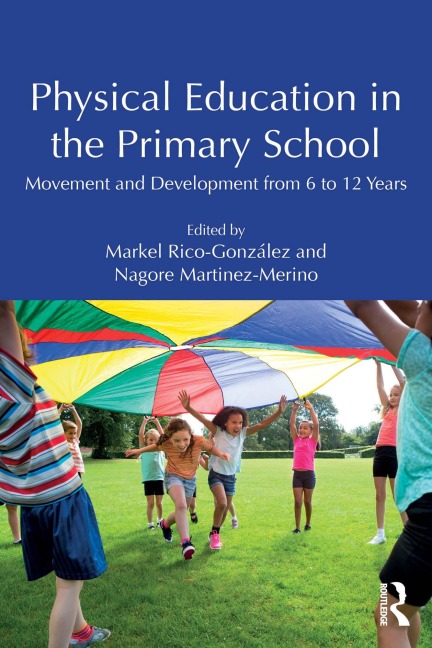
This book provides a scientific foundation for the design of physical education and movement education at the primary or elementary school level, focusing on the developmental stage between the ages of 6 and 12 years. Drawing on cutting-edge contemporary research, this book examines physical education as a process for promoting the holistic development and well-being of children, taking a close look at developmental milestones across motor, cognitive, social, and emotional competencies. It considers the implications of current research for teaching strategies at the primary or elementary level and explores key topics in contemporary physical education such as physical literacy, physical activity and health, inclusion, and models-based practice. This book also presents thought-provoking discussions on the use of technology and artificial intelligence in primary physical education and considers the significance of primary physical education in the context of the UN Sustainable Development Goals. Written by an international team of researchers, this book is an invaluable resource for teacher educators, trainee teachers, and in-service practitioners with an interest in physical education in primary or elementary schools.
Markel Rico-González is Assistant Professor in the Department of Didactics of Musical, Plastic and Corporal Expression at the University of the Basque Country (EHU), Spain. He is the author of more than 120 scientific articles in journals and more than 25 book chapters. He is also the co-editor of the book The Use of Applied Technology in Team Sport (2021), the editor of the book Physical Education in Early Childhood: Movement and Development from 3 to 6 Years (2025), and the co-editor of the book Measurement of Physical Activity in Physical Education Through Technology (2026). Nagore Martinez-Merino is Lecturer in the Department of Didactics of Musical, Plastic, and Corporal Expression at the University of the Basque Country (EHU), Spain. She is a member of the GIKAFIT research group (Gizartea-Gizartea, Kirola eta Ariketa Fisikoa Ikerkuntza Taldea/Research Group on Society, Sport and Physical Activity) and the LGTBIQ+ Physical Education and Sport Research Network. Her research interests span qualitative research, transformative education, school sport, gender perspective, inclusion, and the experiences associated with physical activity in vulnerable populations.
PART 1 Introduction 1 1 What Is Physical Education? PART 2 Movement and Development 2 Developing Motor Competence through Physical Education 3 Developing Physical Fitness 4 Physical Literacy in Primary Education: From Foundations to Lifelong Participation 5 Developing Cognitive Competence through Physical Education 6 Developing Social Competence through Physical Education 7 Developing Emotional Competence through Physical Education 8 Preventing Bullying in Physical Education 9 Physical Education in Nature 10 Model-Based Practice and Active Breaks in Primary Physical Education 11 Practical Aspects for Preparing Effective Lessons in Primary Physical Education PART 3 Physical Education and Care 12 Physical Activity Guidelines 13 Food and Nutrition Education in Primary Schools 14 Mental Health and Physical Education PART 4 Special Educational Needs 15 Inclusive Physical Education for Children with Special Educational Needs 16 Designing Inclusive Playgrounds for Schoolchildren in Physical Education PART 5 Agenda 2030 and Sustainable Development Goals 17 Physical Education and Sustainability in Primary Education: A Pedagogical Framework for Childhood PART 6 Technology and Artificial Intelligence 18 Physical Activity Monitoring in Physical Education 19 Artificial Intelligence in Physical Education