Und dann auf "Zum Home-Bildschirm [+]".

Stöbern
genialokal zum Startbildschirm hinzufügen
Installieren Sie die genialokal App auf Ihrem Startbildschirm für einen schnellen Zugriff und eine komfortable Nutzung.
Installieren Sie die genialokal App auf Ihrem Startbildschirm für einen schnellen Zugriff und eine komfortable Nutzung.
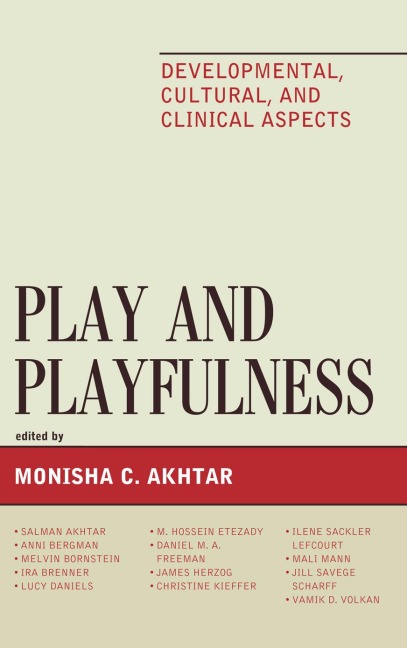
While the psychodynamic understanding of play and play's therapeutic potential was long restricted to the realm of children, Winnicott's work demonstrated the profound significance of the capacity to play for healthy mental functioning during adult life. Scattered writings of Erikson, Glenn, and Shopper notwithstanding, the early spark of understanding remained largely ill developed. In Play and Playfulness, the reader is offered an exciting and highly informative set of essays about the psychic area that lies between reality and unreality and between veracity and imagination. It is the area of paradox and creativity. It sustains the self, allows for ego-replenishing regressions, and adds to the joy of the vital and lived experience. This book provides an easy and readable passage to the valley of the transitional experience in which creative synthesis of reality and unreality leads to a world of vigor, enthusiasm, and liveliness. The cultural variations and the clinical implications of such an experience are thoroughly elucidated. The result is a volume replete with technical virtuosity, clinical relevance, and the basic and nearly self evident humane music of the day-to-day experience of life.
Monisha C. Akhtar, PhD, is a faculty member at the Psychoanalytic Center of Philadelphia, PA. She maintains a private practice in Ardmore, PA.
Part 1 Part I-Development
Chapter 2 Chapter 1-Self-Other Action Play: A Window into the Representational World of the Infant
Chapter 3 Chapter 2-Fathers and Play
Chapter 4 Chapter 3-Adolescence as a Time to Play
Part 5 Part II-Psychopathology
Chapter 6 Chapter 4-Neurotic Inhibitions of Play
Chapter 7 Chapter 5-Normal and Pathological Playfulness
Chapter 8 Chapter 6-Remembering, Replaying, and Working Through: The Transformation of Trauma in Children's Play
Part 9 Part III-Sociocultural Aspects
Chapter 10 Chapter 7-Cultural Pathways to Understanding Children's Play: Mythology and Folklore
Chapter 11 Chapter 8-Playing for Survival during the Holocaust
Chapter 12 Chapter 9-Play and Creativity
Chapter 13 Chapter 10-Play and Track II Diplomacy
Part 14 Part IV-Technical Implications
Chapter 15 Chapter 11-Aggression in Children: Origins, Manifestations, and Management through Play
Chapter 16 Chapter 12-Play and Very Young Children in Object Relations Family Therapy
Chapter 17 Chapter 13-Playfulness in the Adult Analytic Relationship
Chapter 18 References
Dieses eBook wird im PDF-Format geliefert und ist mit einem Adobe Kopierschutz (DRM) versehen. Sie können dieses eBook mit allen Geräten lesen, die das PDF-Format und den Adobe Kopierschutz (DRM) unterstützen.
Zum Beispiel mit den folgenden Geräten:
• tolino Reader
Laden Sie das eBook direkt über den Reader-Shop auf dem tolino herunter oder übertragen Sie das eBook auf Ihren tolino mit einer kostenlosen Software wie beispielsweise Adobe Digital Editions.
• Sony Reader & andere eBook Reader
Laden Sie das eBook direkt über den Reader-Shop herunter oder übertragen Sie das eBook mit der kostenlosen Software Sony READER FOR PC/Mac oder Adobe Digital Editions auf ein Standard-Lesegeräte mit epub- und Adobe DRM-Unterstützung.
• Tablets & Smartphones
Möchten Sie dieses eBook auf Ihrem Smartphone oder Tablet lesen, finden Sie hier unsere kostenlose Lese-App für iPhone/iPad und Android Smartphone/Tablets.
• PC & Mac
Lesen Sie das eBook direkt nach dem Herunterladen mit einer kostenlosen Lesesoftware, beispielsweise Adobe Digital Editions, Sony READER FOR PC/Mac oder direkt über Ihre eBook-Bibliothek in Ihrem Konto unter „Meine eBooks“ - „online lesen“.
Schalten Sie das eBook mit Ihrer persönlichen Adobe ID auf bis zu sechs Geräten gleichzeitig frei.
Bitte beachten Sie, dass die Kindle-Geräte das Format nicht unterstützen und dieses eBook somit nicht auf Kindle-Geräten lesbar ist.