Und dann auf "Zum Home-Bildschirm [+]".

Stöbern
genialokal zum Startbildschirm hinzufügen
Installieren Sie die genialokal App auf Ihrem Startbildschirm für einen schnellen Zugriff und eine komfortable Nutzung.
Installieren Sie die genialokal App auf Ihrem Startbildschirm für einen schnellen Zugriff und eine komfortable Nutzung.
Ihr gewünschter Artikel ist in 0 Buchhandlungen vorrätig - wählen Sie hier eine Buchhandlung in Ihrer Nähe aus:

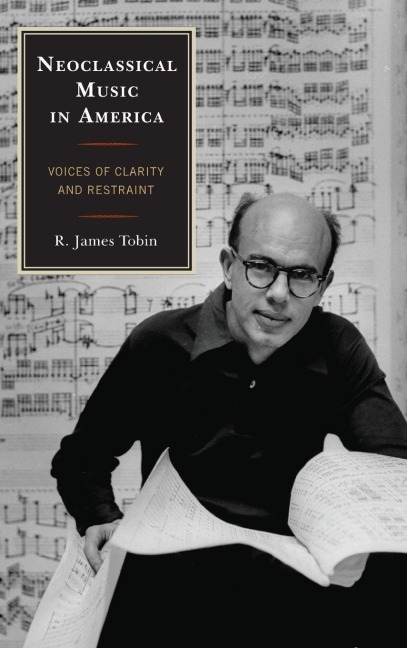
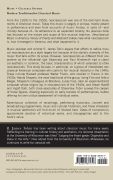
From the 1920s to the 1950s, neoclassicism was one of the dominant movements in American music. Today this music is largely in eclipse, mostly absent in performance and even from accounts of music history, in spite of-and initially because of-its adherence to an expanded tonality. No previous book has focused on the nature and scope of this musical tradition. Neoclassical Music in America: Voices of Clarity and Restraint makes clear what neoclassicism was, how it emerged in America, and what happened to it.
Music reviewer and scholar, R. James Tobin argues that efforts to define musical neoclassicism as a style largely fail because of the stylistic diversity of the music that fall within its scope. However, neoclassicists as different from one another as the influential Igor Stravinsky and Paul Hindemith did have a classical aesthetic in common, the basic characteristics of which extend to other neoclassicists This study focuses, in particular, on a group of interrelated neoclassical American composers who came to full maturity in the 1940s. These included Harvard professor Walter Piston, who had studied in France in the 1920s; Harold Shapero, the most traditional of the group; Irving Fine and Arthur Berger, his colleagues at Brandeis; Lukas Foss, later an experimentalist composer whose origins lay in neoclassicism of the 1940s; Alexei Haieff, and Ingolf Dahl, both close associates of Stravinsky; and others. Tobin surveys the careers of these figures, drawing especially on early reviews of performances before offering his own critical assessment of individual works.
Adventurous collectors of recordings, performing musicians, concert and broadcasting programmers, as well as music and cultural historians and those interested in musical aesthetics, will find much of interest here. Dates of composition, approximate duration of individual works, and discographies add to the work's reference value.
R. James Tobin has been writing about classical music for many years. Reflecting his training in cultural history and aesthetics, his doctoral dissertation at the University of Wisconsin was Judging the Avant-garde: Originality and Value in the Arts. Now retired from the University of Wisconsin-Milwaukee, he continues to write for classical.net.
Preface Chapter 1: Introduction: What Was Neoclassicism and What Became of It? Chapter 2: European Influences on American Neoclassicism Chapter 3: Edward Burlingame Hill: A Link to Paris Chapter 4: Walter Piston: Spanning Two Generations Chapter 5: Harold Shapero Chapter 6: Irving Fine Chapter 7: Arthur Berger Chapter 8: Lukas Foss-His Early Period Chapter 9: Alexei Haieff Chapter 10: Ingolf Dahl Chapter 11: Louise Talma Chapter 12: John Lessard Chapter 13: Nicolai Lopatnikoff Chapter 14: Aaron Rabushka Chapter 15: Conclusion Discography Bibliography Index About the Author